Tata Motors now controls Iveco Group, the Italian maker of trucks, vans and buses. The deal was first announced in July 2025 and, after a 15-month process, Tata completed the first settlement of its takeover offer on 30 October 2026. It is Tata’s biggest overseas buy since Jaguar Land Rover in 2008, and it turns the Indian company into one of the largest truck makers in the world.
Here is what was agreed, how big the new group is, and what it could mean for truck buyers in India, Europe, Latin America and Australia.
The deal in numbers
Tata bought Iveco through a cash tender offer to shareholders. These are the key figures from the completion announcement:
| Stake acquired | 89.42% of Iveco’s common shares |
| Price | €14.40 per share, about €3.43 billion in total |
| Completed | 30 October 2026 (first settlement); a second window for remaining shareholders ran from 2 to 6 November 2026 |
| What Tata bought | Iveco’s trucks, vans, buses and FPT Industrial powertrains. The defence business was sold separately to Leonardo. |
| Leadership | Tata Sons chairman N. Chandrasekaran became Iveco’s chairperson; Olof Persson stays as CEO |
How big is the new Tata–Iveco group?
Together, the two companies form the world’s fourth-largest commercial vehicle maker by sales of trucks above 6 tonnes. According to Tata Motors:
- Revenue: about €21 billion a year (roughly ₹2.28 lakh crore).
- Sales: about 590,000 vehicles a year.
- Reach: more than 130 countries and over 9,300 sales and service points.
- People: more than 73,000 employees on six continents.
Tata has set a goal of growing the combined business from about $25 billion in revenue to $35–40 billion within five years.
Why the two companies fit together
The main reason for the deal is geography. The two companies sell in different parts of the world, so they barely compete with each other.
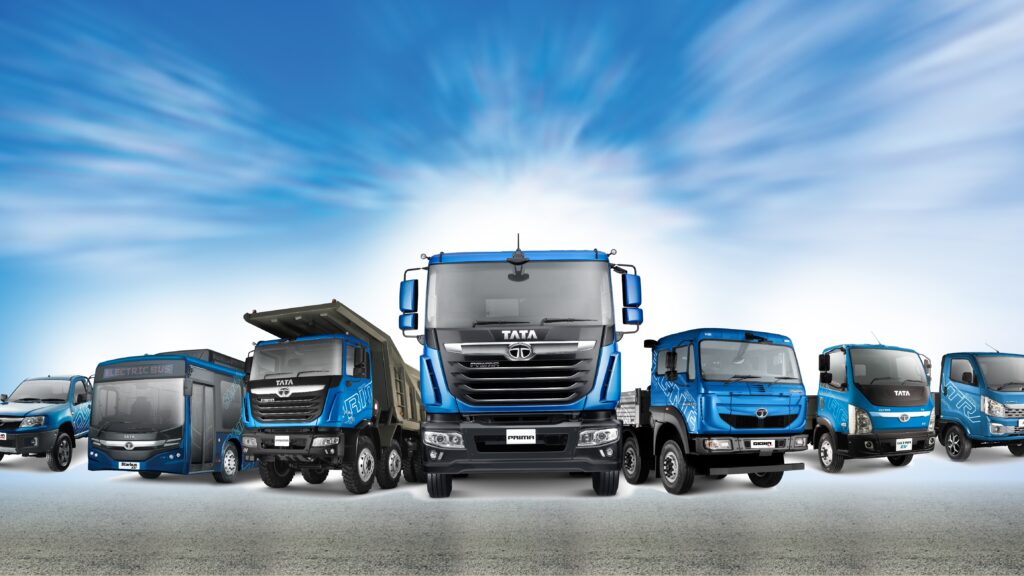
- Tata Motors leads India’s truck and bus market, selling more than 435,000 commercial vehicles in FY26, and is strong in South Asia, the Middle East and Africa.
- Iveco earns about 75% of its revenue in Europe and 12% in Latin America, with little presence in India or Asia. It is also present in Australia and New Zealand, where Tata has no business.
Truck demand in India and Europe tends to rise and fall at different times, so owning both gives Tata a natural cushion when one market slows down. Iveco was also the last independent truck maker in Europe after Volvo bought Renault Trucks, which made it one of the few big targets left.
What it means for each market
Tata has outlined a few early plans. Here is what they could mean in each region.
India
Tata is looking at bringing Iveco’s medium and heavy trucks, vans and buses to India to fill gaps in its own range. Indian fleet buyers could get more premium European options sold and serviced through Tata’s large network.
Europe
Tata says it will support Iveco’s existing investment and product plans in Europe, and it is not planning to move Iveco production to India. Instead, it wants to cut costs by buying more parts from Eastern Europe rather than Western Europe.
Latin America
Tata may export its lower-cost small and medium trucks to Latin America and sell them through Iveco’s dealers and finance arm. Tata executives have called Iveco’s strength in the region “underappreciated”.
Australia and New Zealand
Iveco already sells trucks in Australia and New Zealand, which gives Tata its first foothold there. No product plans have been announced yet for this region.
What about electric trucks?
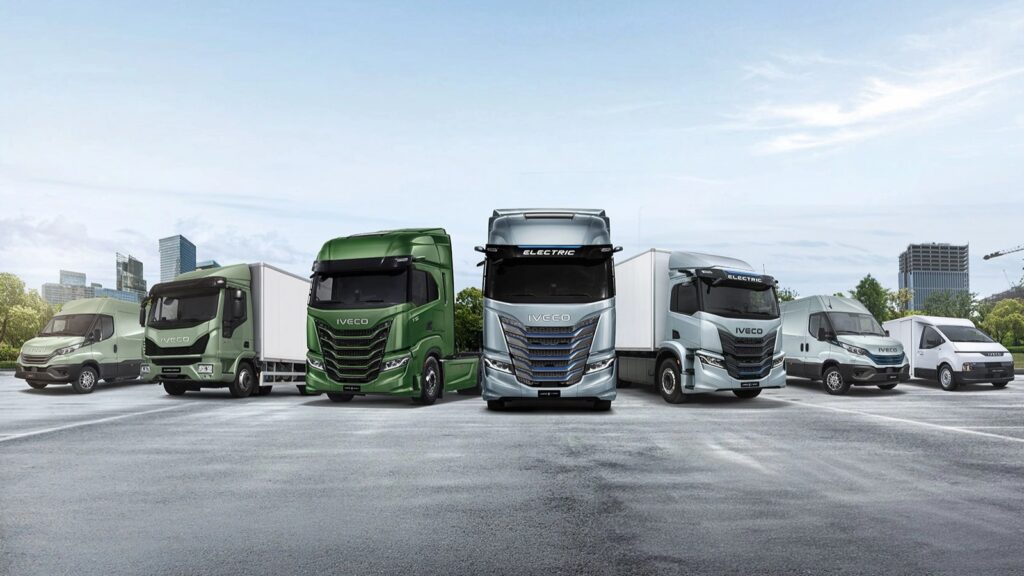
Both companies already sell electric commercial vehicles. Iveco has the eDaily electric van and the S-eWay electric truck in Europe, and its FPT Industrial division builds electric and alternative-fuel powertrains. Tata sells the Ace EV small truck and electric buses in India. Tata says the combined group’s technology base covers software, connected vehicles, alternative energy and manufacturing.
Neither company has announced a joint electric truck yet. Sharing batteries, software and development costs across a bigger group could make electric trucks cheaper over time, but for now that is a possibility rather than a plan.
What happens next
Tata is still buying out the remaining shareholders. The bigger job now is integration: joint buying of parts, sharing technology, and cross-selling products between India, Europe and Latin America. Tata is also taking on acquisition debt, so watch how quickly the combined group generates cash.
Do you think Tata can make Iveco a global success, the way it did with Jaguar Land Rover? Let us know in the comments below.
FAQ
Yes. Tata Motors holds 89.42% of Iveco Group through its Dutch subsidiary, which makes Iveco an indirect subsidiary of Tata Motors. Iveco’s defence business is not included.
About €3.43 billion for the 89.42% stake, at €14.40 per share. Shareholders who had not sold yet got a second chance to sell at the same price from 2 to 6 November 2026.
Tata Sons chairman N. Chandrasekaran is now Iveco’s chairperson, and Olof Persson remains chief executive.
Tata is exploring it, mainly for medium and heavy trucks, vans and buses that fill gaps in its own range. No launch dates have been announced.
Yes. The combined group is the world’s fourth-largest maker of trucks above 6 tonnes by sales, with about 590,000 vehicles and €21 billion in revenue a year.