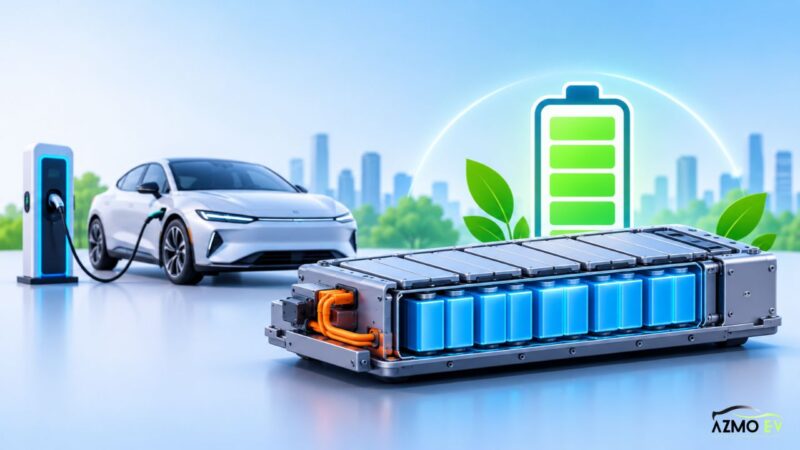
The battery is the most expensive part of an electric car, and the part new owners worry about most. Will it lose range? How long will it last? What happens if it fails after the warranty? This guide explains how EV batteries work, the main battery types, how fast they really wear, what warranties cover in India, the US, Europe and Australia, and the habits that help a battery last longer. Last checked November 2026.
What’s Inside an EV Battery
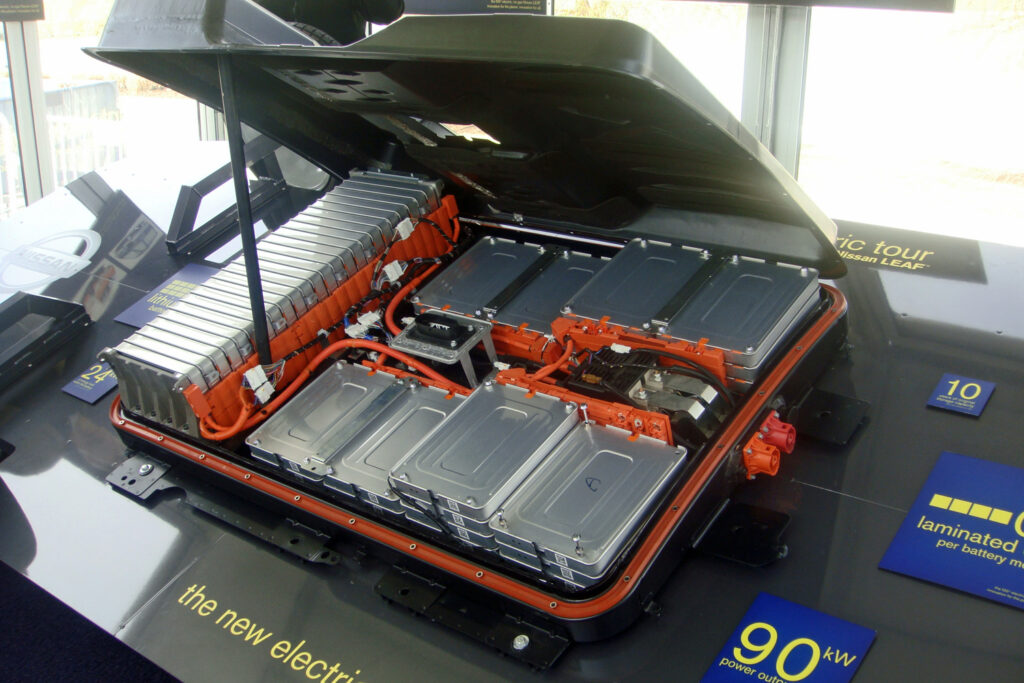
An EV battery pack is made of hundreds or thousands of individual lithium-ion cells, grouped into modules and sealed in a large, flat case under the floor. Keeping the weight low and in the middle of the car is also why EVs tend to handle well.
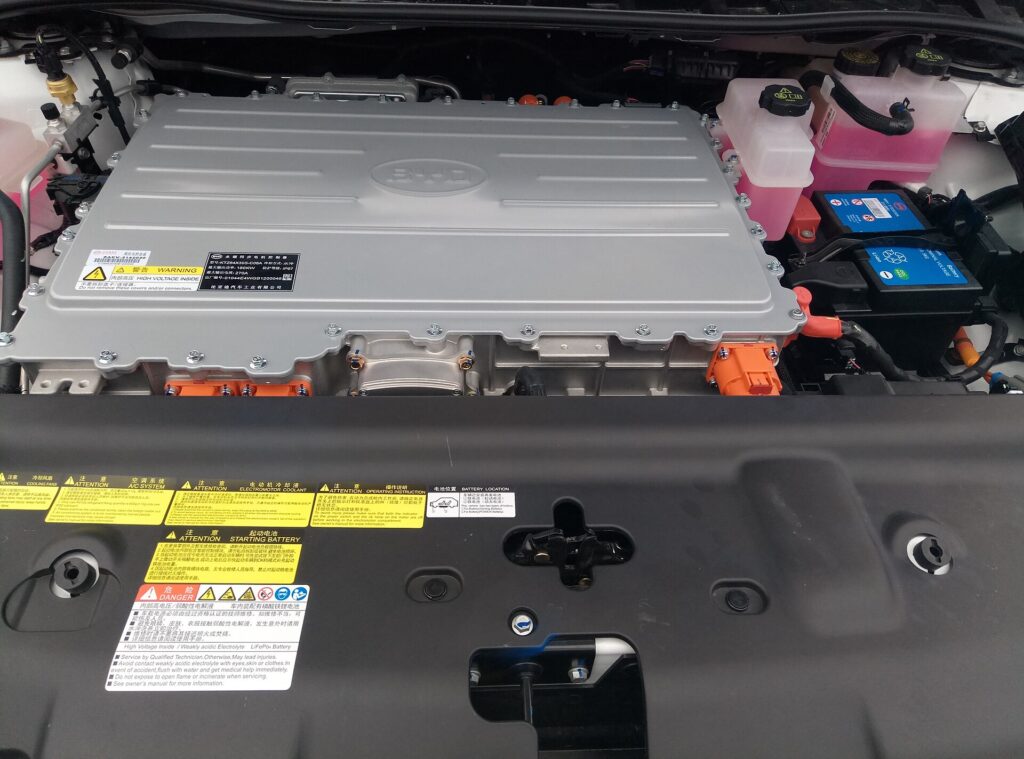
Two systems keep the pack healthy. The battery management system (BMS) watches the voltage and temperature of every cell and limits charging or power when something is out of range. The thermal management system, usually liquid cooling and heating, keeps the cells in their comfortable range of roughly 20 – 40°C.
How Charging and Discharging Work
Each cell has two electrodes, an anode (usually graphite) and a cathode (a metal oxide or phosphate), separated by a liquid electrolyte. When you charge, lithium ions move from the cathode into the anode. When you drive, they flow back, and the electrons released along the way power the motor.
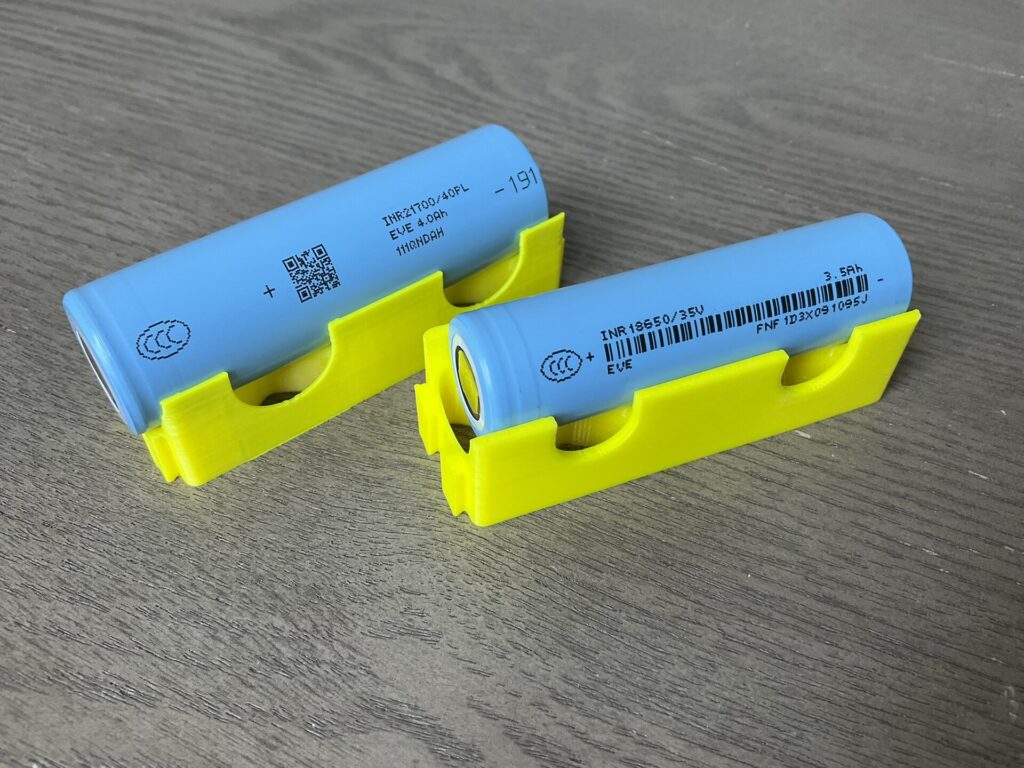
Every car also keeps a hidden buffer. A battery sold as 82 kWh may only let you use about 77–79 kWh, because never filling or emptying the cells completely reduces wear. That is why a car’s “0%” is not truly empty and “100%” is not truly full.
NMC vs LFP vs Sodium-Ion: The Main Battery Types
Almost every EV on sale uses one of two lithium-ion chemistries, and a third type is just arriving. The chemistry affects range, price, lifespan and how you should charge.
| Type | Strengths | Trade-offs | Typical use |
|---|---|---|---|
| NMC (nickel manganese cobalt) | More energy per kg, so longer range from a smaller pack | Costs more; carmakers usually suggest 80–90% for daily charging | Long-range and premium cars |
| LFP (lithium iron phosphate) | Cheaper, very long cycle life, can usually be charged to 100% | Heavier for the same range; slower charging in the cold | Entry and mid-range cars, many Tesla, BYD, Tata and MG models |
| Sodium-ion | No lithium, cobalt or nickel; works well in extreme cold | Lower energy density; only just entering production | First small cars in China from 2026 |
Price is a big reason LFP has spread. According to BloombergNEF, the average LFP pack cost about US$81 per kWh in 2025, against about US$128 for NMC.
How Long Do EV Batteries Last?
Much longer than most people expect. Telematics company Geotab tracked more than 22,700 EVs across 21 models and found an average capacity loss of 2.3% a year, which leaves about 81.6% of the original capacity after eight years.
Outright failures are rare too. Battery-tracking firm Recurrent found that, outside of big recalls, fewer than 4% of EV batteries have ever been replaced, including cars more than 10 years old. For cars built from 2022 onwards, the figure is just 0.3%.
Capacity loss is also not a straight line. Most batteries lose a few per cent in the first year or two, then settle into a much slower decline.
What Causes Battery Degradation
Every battery wears with time and use, but four things speed it up more than others:
- Frequent fast charging. In Geotab’s data, cars that relied on DC chargers above 100 kW lost up to 3.0% a year, about double the 1.5% of cars charged mostly on AC.
- Heat. Cars in hot climates degraded about 0.4% a year faster than those in mild climates. Parking in shade or a garage helps.
- Sitting full or empty for long periods. Geotab found this only matters when a car spends most of its time near 100% or near 0%; normal daily use is fine.
- Age. Cells slowly wear even when the car is parked, which is why time limits appear in every warranty.
EV Battery Warranties by Market
Battery warranties are much longer than the warranty on the rest of the car. Most promise to repair or replace the battery if its health falls below about 70% during the cover period.
| Market | Typical battery warranty | Notable exceptions |
|---|---|---|
| India | 8 years / 1,60,000 km, about 70% health | Lifetime cover (Tata: 15 years, unlimited km) for first owners of the Nexon.ev 45 kWh, Curvv.ev and Harrier.ev; MG Comet 8 years / 1,20,000 km |
| US | At least 8 years / 100,000 miles | Some brands go further, such as Rivian at up to 175,000 miles |
| Europe and UK | 8 years / 160,000 km, about 70% health | Euro 7 sets legal minimums for new models from late 2026 (see below) |
| Australia | 8 years / 160,000 km for most brands | Terms vary by brand, so check before you buy |
Europe is going further than a warranty. Under the Euro 7 rules, a new electric car’s battery must keep at least 80% of its capacity after five years or 100,000 km, and 72% after eight years or 160,000 km, and every car must show a standard battery health reading. The UK will apply the same rules to new cars from November 2027.
What Does a Replacement Cost?
Battery packs have become far cheaper to make. BloombergNEF’s 2025 survey put the average lithium-ion pack at US$108 per kWh, and packs for electric cars at under US$100 per kWh. At that price, the pack in a 60 kWh car is worth about US$6,000 before labour, shipping and dealer margins.
Real bills are higher and vary widely by brand and country, so ask for a written quote. Many faults are fixed by replacing a single module rather than the whole pack, and a fault inside the warranty period costs you nothing.
How to Make Your EV Battery Last Longer
You don’t need to baby an EV battery, but these habits make a real difference over the years:
- Charge on AC for daily driving. Save DC fast charging for road trips.
- Follow your carmaker’s daily charge limit. Usually 80–90% for NMC batteries; many LFP cars are happy at 100%.
- Don’t leave the car at 100% or near 0% for days. Charge to full just before a long trip rather than the night before a week at the airport.
- Keep it cool. Park in shade in summer, and leave the car plugged in during heatwaves so it can cool the battery.
- Precondition before fast charging in winter. Set the charger as your destination in the navigation so the car warms the battery on the way.
- Use scheduled charging. Finishing the charge shortly before you leave means the battery spends less time full.
- Install software updates. Carmakers often improve battery management over the air.
- Store it at about 50%. If the car will sit unused for weeks, leave it half charged.
Our complete guide to charging an electric car explains home charging, wallboxes and costs in more detail.
What Happens to Old EV Batteries?
A battery that is too worn for a car still holds a lot of energy. Many are reused as stationary storage for homes, businesses and solar farms, where weight and size matter less.
When a battery is finally retired, recyclers can recover most of the valuable metals, including lithium, nickel and cobalt, and use them in new cells. Europe’s battery rules are pushing carmakers to use more recycled material in future batteries.
What’s Next: Solid-State and Sodium-Ion
Solid-state batteries replace the liquid electrolyte with a solid one, promising more range, faster charging and better safety. They are still years from the mainstream: Toyota plans only limited production from 2026, with mass production “2030 and beyond”, and Nissan is targeting its first solid-state car in 2028.
Sodium-ion is arriving sooner. CATL’s Naxtra sodium-ion battery offers up to 175 Wh/kg, and the Changan Nevo A06 in China is the first mass-produced car to use it. It suits cheaper, shorter-range cars and very cold climates.
How old is your EV, and how much range has its battery lost so far? Let us know in the comments below!
FAQ
Most modern EV batteries are built to outlast the car. Large real-world studies show an average loss of about 2.3% of capacity a year, which leaves roughly 80% after eight years, and battery replacements in cars built since 2022 are very rare.
Follow your carmaker’s advice. Cars with NMC batteries usually suggest 80–90% for daily driving and 100% only before long trips. Many cars with LFP batteries are fine at 100% and some ask for a full charge regularly to keep the range reading accurate.
Occasional fast charging is fine. Cars that rely heavily on DC chargers above 100 kW lose capacity faster, about 3% a year against 1.5% for cars charged mostly on AC, so home or workplace charging is best for everyday use.
Most battery warranties run 8 years and 160,000 km (100,000 miles) and promise to repair or replace the battery if its health drops below about 70%. Some brands in India, such as Tata and Mahindra, offer lifetime cover to the first owner on selected models.
It depends on the size of the battery and where you live. Battery packs now cost around US$100 per kWh to make, so the pack alone in a 60 kWh car is worth about US$6,000 before labour and dealer margins. Many faults are fixed by replacing a single module rather than the whole pack.
