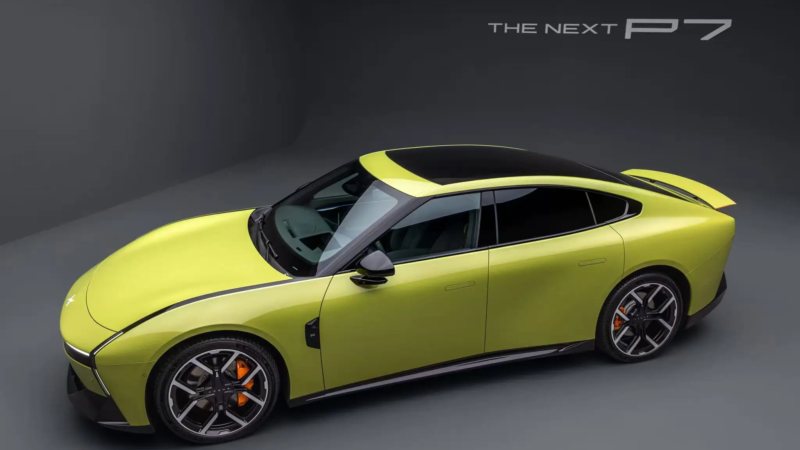
The electric vehicle market never stands still especially in China. New launches appear almost weekly, each promising more range, smarter software, or bolder design than the last. But every so often, a car comes along that genuinely changes expectations. The 2026 Next P7 from XPeng is one of those rare machines.
While many EVs look impressive in marketing photos but lose their charm in person, the Next P7 delivers the opposite experience. It feels even more striking in real life. Revealed in the fast-paced tech hub of Guangzhou, this sleek electric sedan positions itself directly against heavyweights like Tesla and Xiaomi.
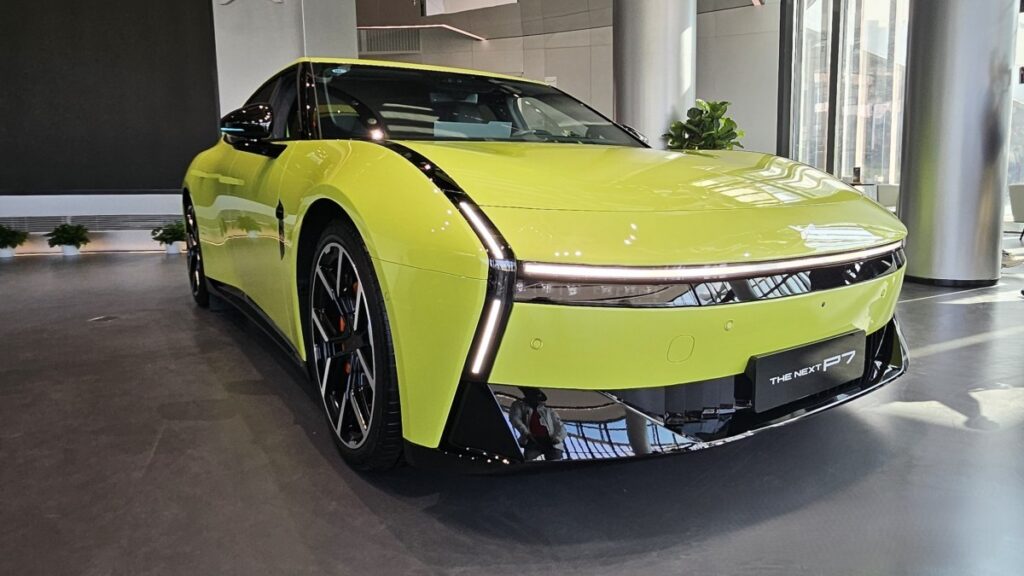
Yet instead of simply copying trends, XPeng blends timeless sports-car proportions with next-generation digital intelligence. The result is a sedan that looks like it drove straight out of a concept sketchbook but functions like a polished production car.
Design: Classic Inspiration Meets Future Aerodynamics
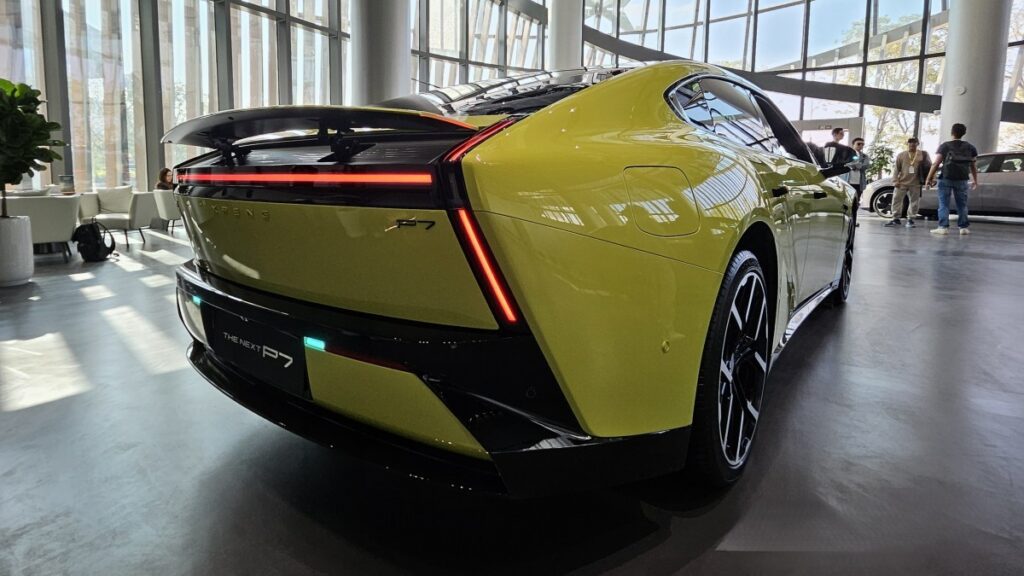
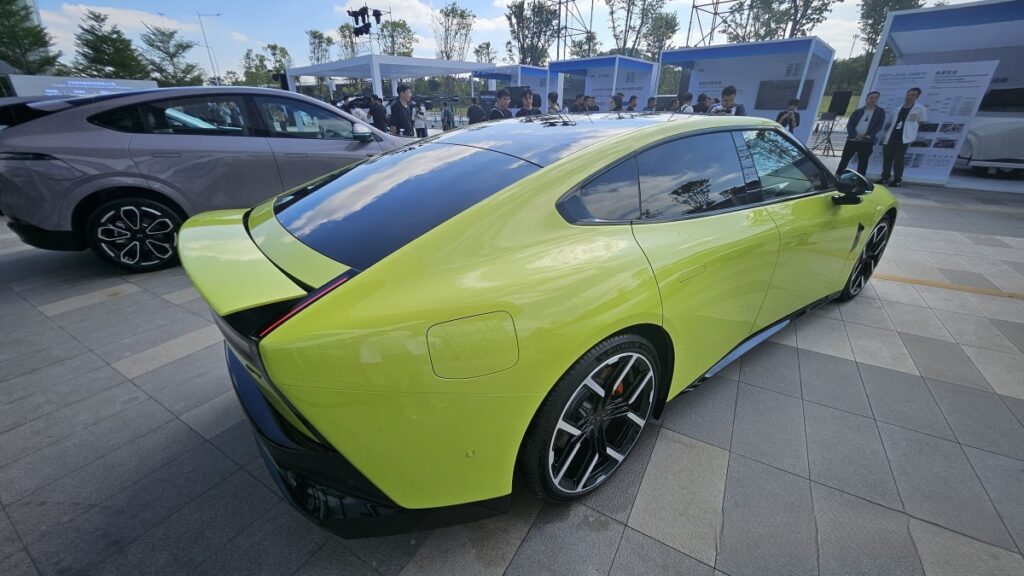
From the first glance, the Next P7 feels dramatically different from typical EV sedans. It’s long, low, and wide exactly how a performance car should look.
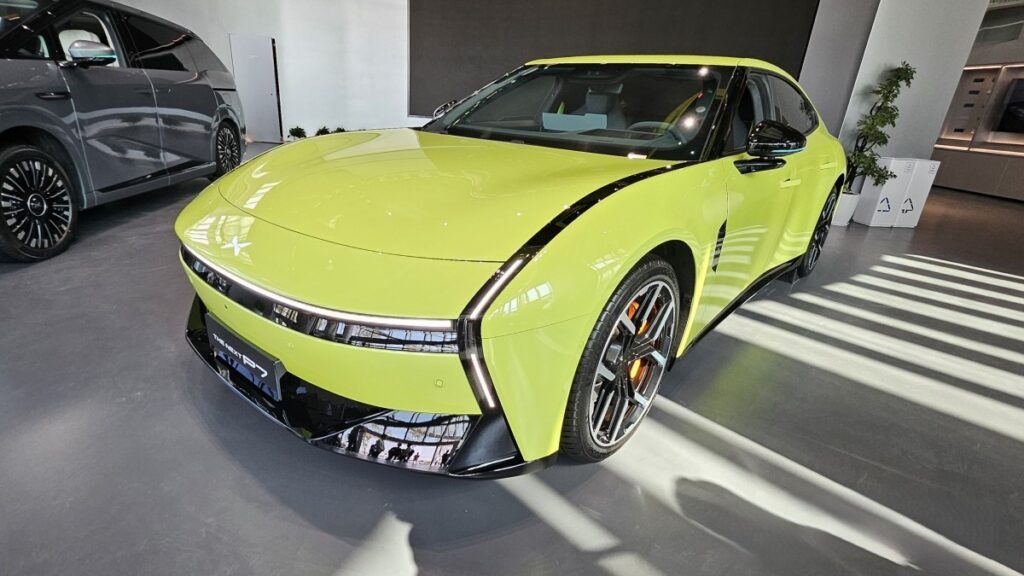
At just over five meters long (5,017 mm) and nearly two meters wide, the P7 commands road presence. Yet it sits remarkably low at only 1,427 mm tall. This stretched stance gives the car a coupe-like silhouette rather than the upright look most electric sedans adopt.
Aerodynamics are clearly a priority. XPeng claims an ultra-slippery drag coefficient of just 0.201 Cd, putting it among the most aerodynamic production cars in the world. That efficiency doesn’t just help range it enhances high-speed stability and reduces wind noise inside the cabin.
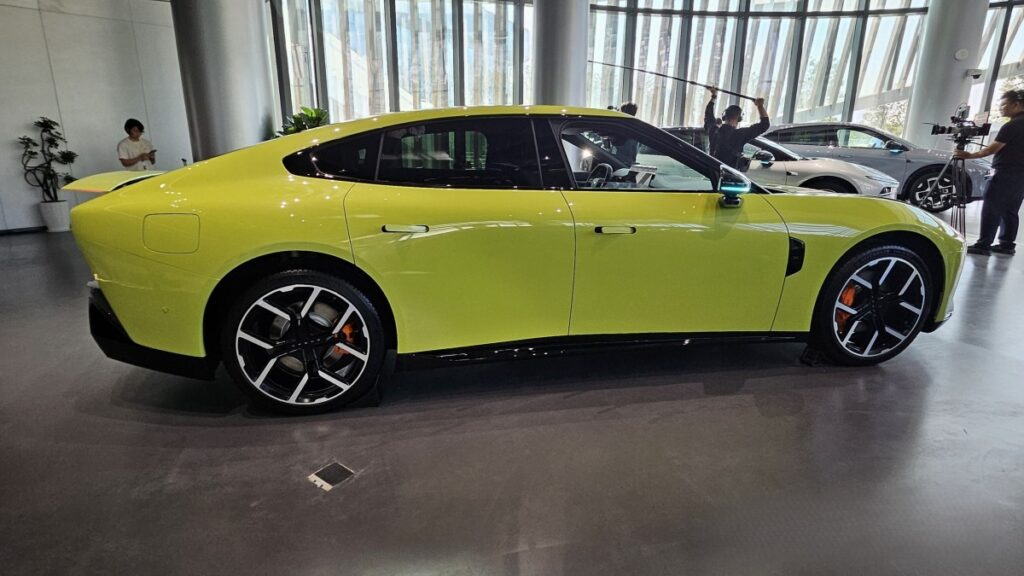
Styling cues feel familiar in a good way. The front fascia subtly recalls classic European grand tourers, while the rear carries a sporty fastback shape capped with a ducktail-style spoiler. It’s a design language that nods to the past without feeling derivative.
For buyers wanting extra drama, the Wing Edition raises the stakes with scissor doors that open upward supercar-style. It’s theatrical, yes but it also underlines that XPeng isn’t afraid to take risks.
Interior: A High-Tech Lounge on Wheels
Step inside the Next P7 and the futuristic theme continues immediately. The cabin feels less like a traditional car interior and more like a smart device you happen to sit in.
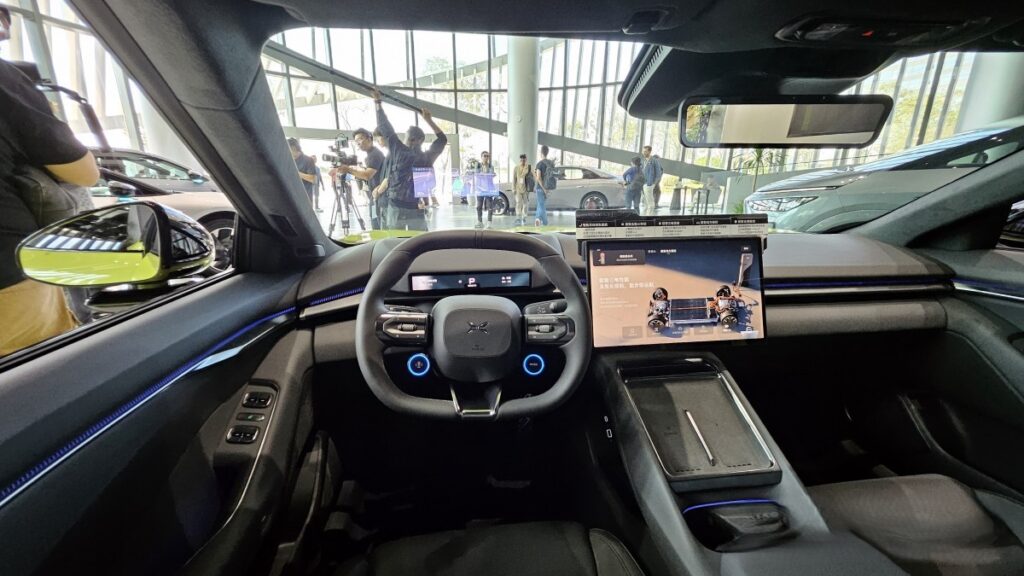
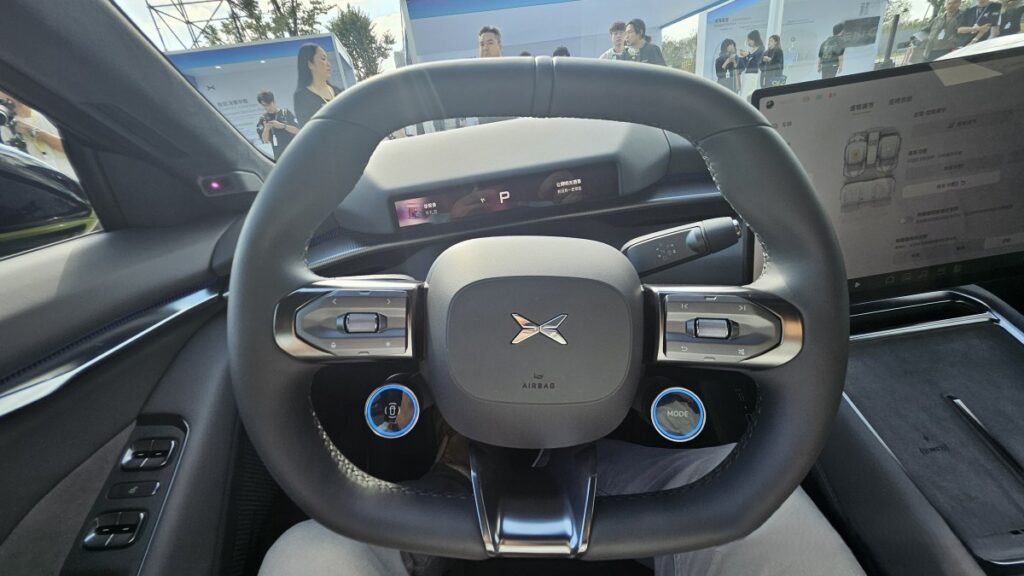
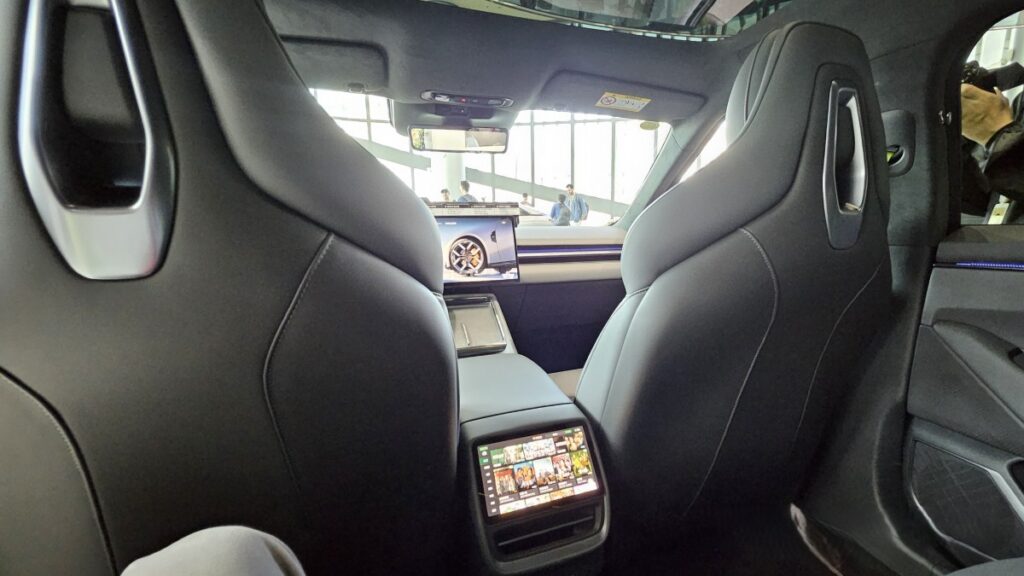
A large 15.6-inch central touchscreen takes center stage on the dashboard. But it’s not fixed in place. The display actually pivots toward the driver when voice commands are used, creating a more personal and intuitive interaction. It sounds like a small detail, yet it makes the system feel alive almost like a digital assistant responding directly to you.
Even more impressive is the gigantic 87-inch augmented reality head-up display. Instead of simply showing speed or arrows, it overlays navigation cues and driving information directly onto the road ahead. It feels like something borrowed from a sci-fi movie.
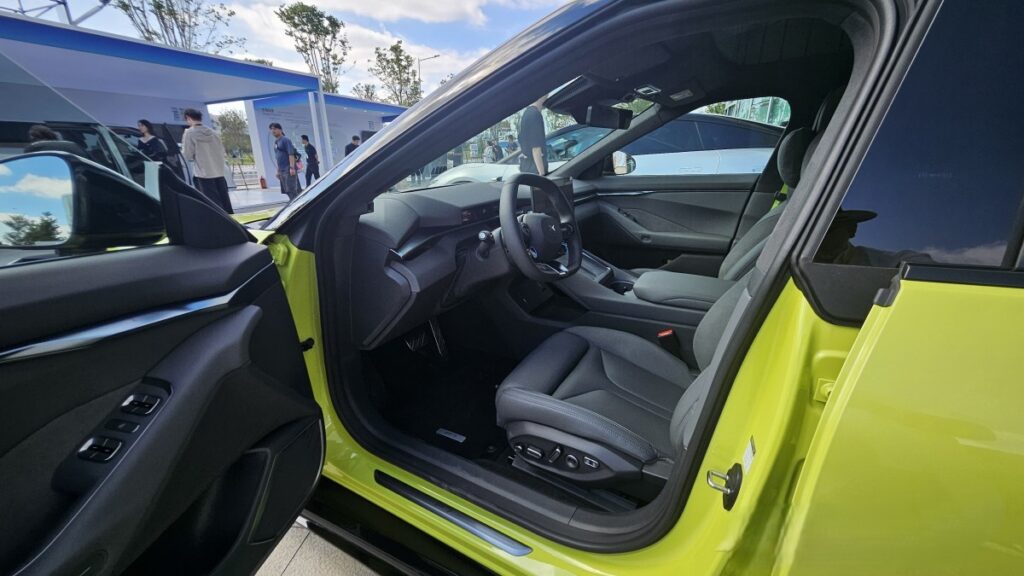
Material quality also deserves praise. Soft Nappa leather, microfiber suede, and metal accents replace the hard plastics often found in tech-heavy EVs. The seats are mounted low, reinforcing a sporty driving position rather than a typical upright sedan feel.
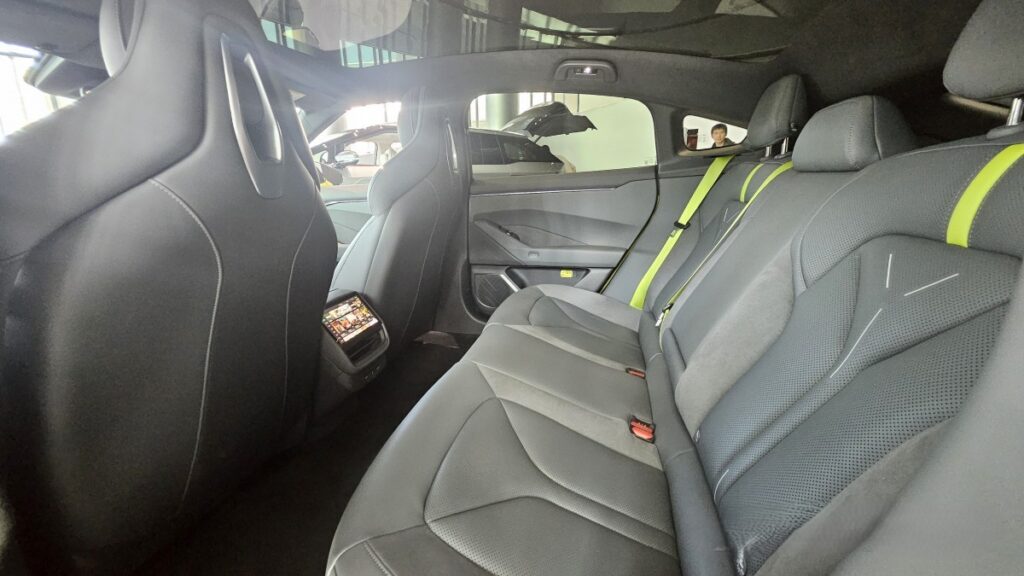
Despite this athletic posture, practicality hasn’t been sacrificed. Thanks to a generous 3,008 mm wheelbase, rear passengers get nearly limousine-like legroom. There’s even an 8-inch control screen in the back that lets passengers adjust the climate or manage the 23-speaker premium sound system. It’s equal parts sports sedan and executive lounge.
Performance and Range: Speed Meets Serious Efficiency
XPeng offers multiple configurations to match different driving styles, from efficient commuters to outright performance seekers. The base rear-wheel-drive model uses a 74.9 kWh battery paired with a single electric motor producing 362 horsepower. That’s already more power than many entry-level luxury sedans. Range is equally impressive, rated up to 702 km under the Chinese CLTC cycle.
Thanks to its advanced 800-volt architecture, charging speeds are where things get truly exciting. Under optimal conditions, the P7 can add up to 525 km of driving range in just 10 minutes. That kind of rapid replenishment dramatically reduces range anxiety and makes long trips far easier.
For maximum endurance, the Ultra Long Range variant swaps in a larger 94.3 kWh battery. This pushes range to an astonishing 820 km figures that most competitors simply can’t match today.
Performance fans aren’t left out either. The dual-motor all-wheel-drive version delivers nearly 600 horsepower. With that setup, the Next P7 rockets from 0–100 km/h in only 3.7 seconds. That’s genuine sports-car territory, not just quick-for-an-EV acceleration. Top speed climbs to 230 km/h, showing that XPeng engineered more than just straight-line punch.
Smart Tech: A Car That Listens and Learns
Technology might be the P7’s most defining feature. Nearly every function can be controlled via voice. You can change temperature settings, adjust music, input destinations, or even order food without touching the screen. It feels closer to interacting with a smart home assistant than a car interface.
At the heart of the system are XPeng’s in-house Turing AI chips. The top model uses three of them, delivering a combined 2,250 TOPS of computing power far beyond what most competitors currently offer. That processing muscle enables advanced autonomous features and rapid system responses.
Instead of relying on expensive LiDAR hardware, XPeng takes a camera-first approach. Eleven high-definition cameras monitor surroundings to handle lane changes, parking, and city navigation. Impressively, the car can even drive itself short distances within factory grounds without a driver. It’s a clear signal that software capability is becoming just as important as battery size.
Pricing: Shockingly Competitive
Perhaps the most surprising aspect of the Next P7 isn’t the design or technology it’s the price. In China, the lineup starts at roughly $30,700 (around €26,000; ₹27,77,000). For a car offering luxury materials, supercar-like acceleration, and cutting-edge AI, that figure feels almost unreal.
Even fully loaded versions remain competitively priced compared to European premium sedans that cost two or three times more. XPeng has essentially delivered a flagship-level EV experience without the flagship price tag. This aggressive value proposition is exactly why global automakers are watching Chinese EV brands more closely than ever.
Final Thoughts
The 2026 XPeng Next P7 doesn’t feel like a typical incremental upgrade. It feels like a leap forward. With its sleek, classic-inspired styling, lounge-like interior, lightning-fast charging, and AI-powered intelligence, it blends emotion and technology in a way few electric sedans manage.
It proves that cutting-edge features don’t have to come with an outrageous price and that modern EVs can still stir the soul like traditional sports cars. If XPeng decides to bring this model to more international markets, it could seriously disrupt established players.
What are your thoughts on the XPeng Next P7 would you consider this futuristic electric sedan over traditional luxury or Tesla alternatives? Let us know in the comments below!
