The future of urban mobility has officially arrived on the Las Vegas Strip. After more than a decade of research and development, Zoox, Amazon’s autonomous vehicle subsidiary, has rolled out its custom-built, fully driverless robotaxi for public use. Starting today, anyone within the designated Las Vegas operating zone can hail one of these futuristic vehicles no driver, no steering wheel, and no pedals required.
A Purpose-Built Robotaxi
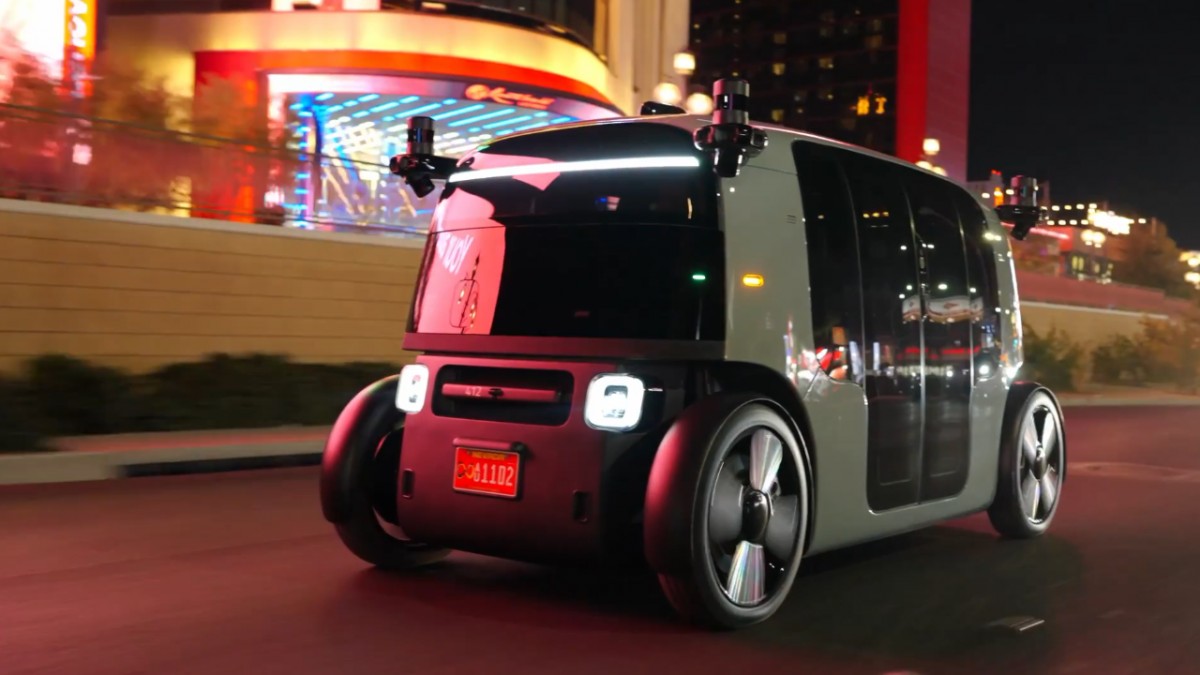
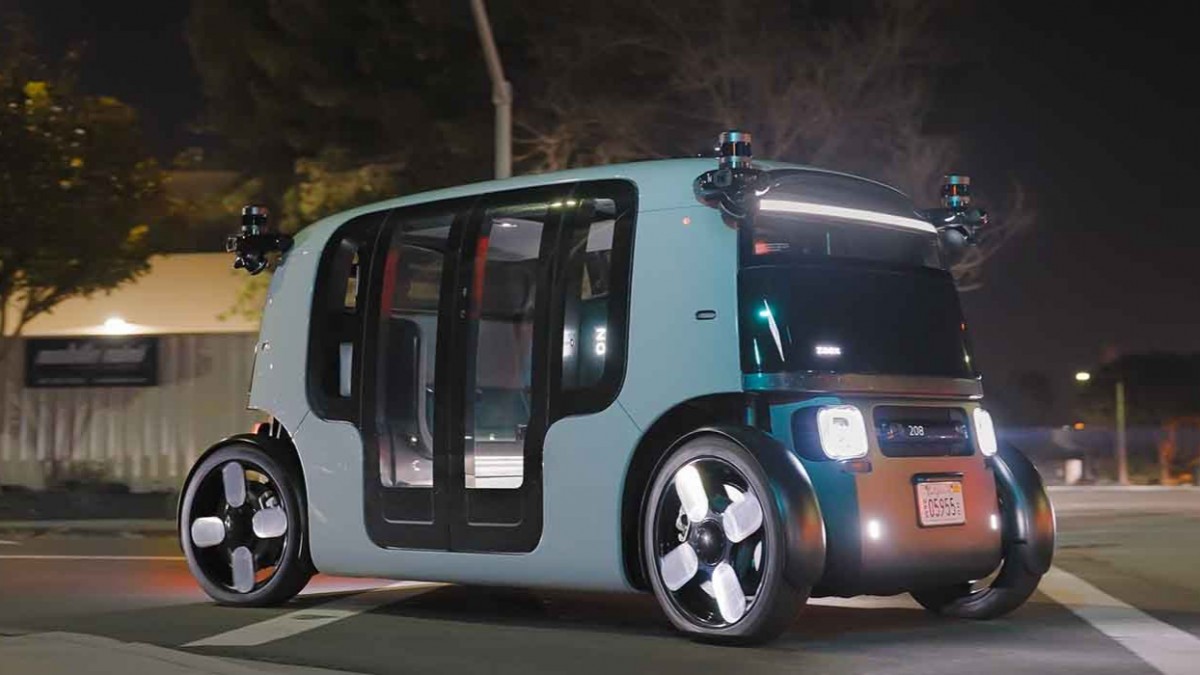
While many competitors in the autonomous vehicle space retrofit existing cars with sensors, cameras, and advanced software, Zoox has taken a different approach. Instead of modifying traditional vehicles, the company designed and engineered its own electric car from the ground up with a single goal: to serve as a dedicated robotaxi.
The result is a symmetrical, carriage-style vehicle unlike anything currently on the road. It accommodates up to four passengers, with two seats facing forward and two facing backward, encouraging a social, interactive ride experience. By removing traditional driver-focused elements, Zoox has created an interior focused entirely on comfort, space, and passenger engagement an entirely new way of experiencing a ride-hailing service compared to Uber, Lyft, or traditional taxis.
Years of Preparation
Zoox’s arrival on the Strip is not a sudden development but the culmination of years of testing and refinement. The company began trials in Las Vegas over two years ago, starting with a modest one-mile loop around its local facility. These initial tests transported company employees at speeds of up to 56 km/h (35 mph), allowing engineers to fine-tune the vehicle’s systems in a controlled environment.
As reliability improved, Zoox expanded the testing program. Earlier this year, the company increased the top speed of its robotaxis to 72 km/h (45 mph), a speed more suited for real-world city traffic. Testing was also broadened to include nighttime driving and light rain conditions two critical challenges for autonomous technology. Each phase was carefully designed to build confidence in both safety and performance before opening the service to the public.
How to Ride a Zoox Robotaxi
Taking a ride in a Zoox is designed to be as easy as ordering a rideshare. The company has launched a dedicated mobile app available for both iOS and Android devices. Through the app, passengers can request a vehicle, similar to existing ride-hailing platforms.
To encourage adoption and collect feedback, Zoox is offering free rides during the launch period. This initiative not only helps familiarize people with the new experience but also allows the company to gather real-world data on rider preferences, traffic patterns, and overall system performance. Once the service secures final regulatory approvals, Zoox plans to begin charging fares.
A Landmark Debut in Las Vegas
Zoox CEO Aicha Evans emphasized that Las Vegas is an ideal starting point for this bold step. With more than 40 million visitors annually, the Strip offers a dynamic environment and high visibility, making it the perfect showcase for the world’s first purpose-built robotaxi fleet.
“The autonomous vehicle industry has made tremendous progress this year, and Zoox is at the forefront of that change,” Evans said. “Las Vegas provides the perfect stage to demonstrate how our vehicles can make every trip not only safe and efficient but also delightful.”
By launching in one of the busiest tourist destinations in the world, Zoox aims to demonstrate both the practicality and excitement of fully driverless mobility.
Looking Beyond Las Vegas
Although Las Vegas is the first city to experience this groundbreaking technology, Zoox already has plans to expand. The company has confirmed that it is preparing for a future launch in the San Francisco Bay Area, a region that has long served as a hub for autonomous vehicle development. Interested riders can already sign up for the waitlist, though no official start date has been announced.
With this expansion strategy, Zoox is positioning itself as a major player in the self-driving ride-hailing industry, competing with established companies such as Waymo and Cruise. The difference, however, lies in Zoox’s unique, ground-up vehicle design and its focus on redefining the passenger experience rather than simply automating traditional cars.
Zoox’s launch on the Las Vegas Strip is more than just another tech milestone it’s a preview of what the future of urban transportation could look like. By removing the driver and rethinking vehicle design, Zoox has created an entirely new category of ride-hailing. For passengers, it’s not just about getting from point A to point B, it’s about enjoying a new kind of travel experience in the heart of one of the world’s busiest entertainment hubs.
What are your thoughts on Zoox’s driverless robotaxi service in Las Vegas do you see it as a game-changer for the future of transportation, or do you think the technology still has challenges to overcome before widespread adoption? Let us know in the comments below!