
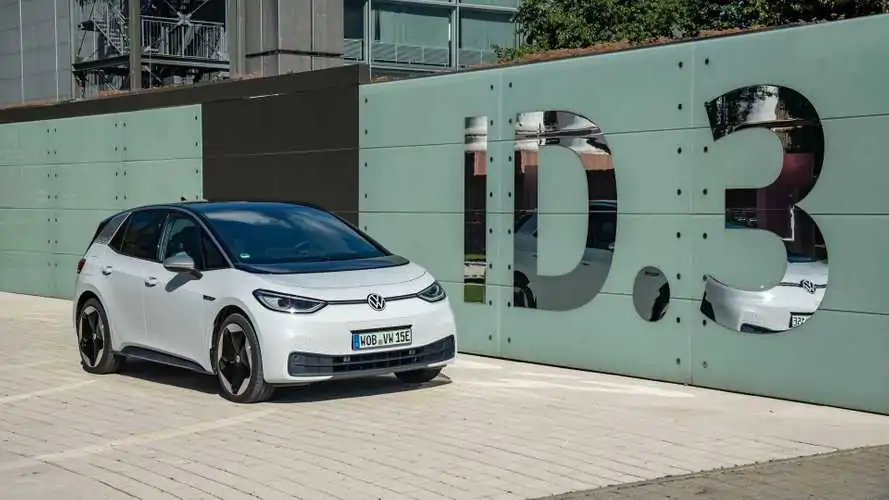
When Volkswagen unveiled the ID.3 back in 2019, it declared the car marked a “new era” for the company. The German automaker even compared the electric hatchback’s importance to that of the original Beetle and the first-generation Golf two of the most iconic vehicles in automotive history. That moment, however, felt less like a new dawn and more like the beginning of an uphill battle. Instead of signaling a bold leap forward, it revealed just how much trouble Volkswagen was about to face.
The problem wasn’t that Volkswagen lacked resources or talent. The issue was the mindset. Like many legacy automakers Volkswagen, Toyota, Mercedes-Benz, and others the company claimed its new EVs were “game changers” not because of breakthrough technology or software leadership, but simply because these big automakers were finally building electric cars with long-enough range to compete with Tesla.
Consumers quickly saw through the marketing hype. Without a compelling reason to choose these EVs over traditional gasoline models or even rival EVs Volkswagen and its peers resorted to heavy discounts to move inventory. Cars like the Volkswagen ID.4 and Toyota bZ4X weren’t proof of progress; they were proof that these companies still had much to learn about the EV revolution.
The Hard Lessons Volkswagen Had to Learn
Volkswagen’s first wave of EVs exposed weaknesses the brand had long managed to avoid in its gasoline cars. Customers disliked the cost-cut interiors stripped of buttons in the name of minimalism and savings. The ID.4 also suffered from reliability challenges, including issues with its electric drive motors. Meanwhile, the ID. Buzz though visually appealing failed to deliver meaningful improvements in software or interior quality.
At the same time, Volkswagen’s in-house software division, Cariad, stumbled through multiple failed attempts to fix its glitchy operating systems. On top of its own missteps, VW also had to contend with external pressures like the rapid rise of Chinese automakers and the introduction of tariffs in the United States.
If there was one stroke of luck, it came in the form of Tesla’s missteps in Europe. Elon Musk’s erratic decisions and loss of goodwill created an opening for Volkswagen to become Europe’s top EV seller. But make no mistake: Volkswagen’s path forward has been anything but smooth.
Despite all of these setbacks, there’s an important truth: Volkswagen learned. Slowly, painfully, and sometimes publicly, the brand absorbed the lessons of failure. And today, those lessons appear to be reshaping its EV strategy for the better.
Where It All Went Wrong
The roots of Volkswagen’s struggles can be traced back to hubris a trait not unique to VW but shared by nearly every legacy automaker. For decades, giants like Volkswagen, Toyota, and General Motors dominated the market with gasoline cars. They had the engineering talent, the scale, and the resources to build the world’s best vehicles. What they didn’t have was the urgency to reinvent the industry they already controlled.
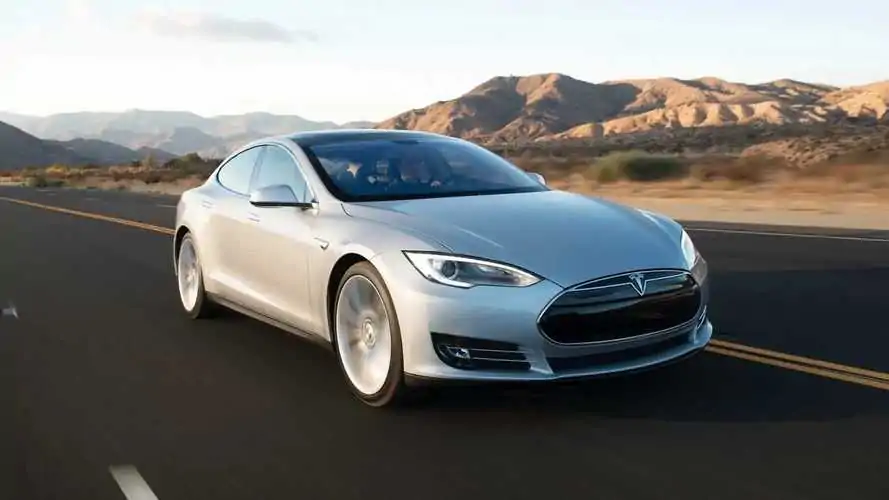
That complacency allowed Tesla to introduce the Model S, the first truly long-range EV, and a car that redefined what electric mobility could be. The Model S proved an EV could be practical, desirable, and software-driven. Legacy automakers took notice, but their responses lacked vision. They built EVs because they felt they had to, not because they believed in a new paradigm.
Volkswagen exemplified this problem better than anyone. After the Dieselgate emissions scandal, the U.S. government forced the company to invest in EVs and charging infrastructure. That led to the creation of Electrify America and the development of early ID-series EVs. But while VW was compelled to build electric cars, it was not compelled to build good ones.
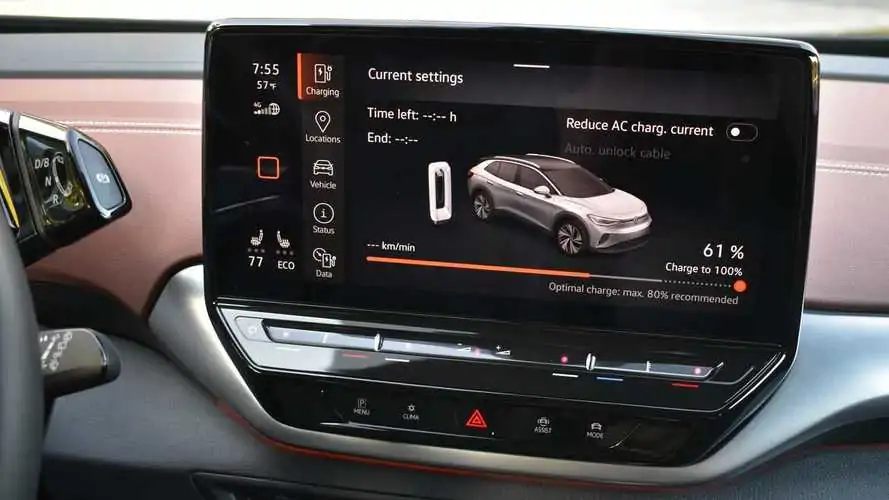
The ID.4, for example, borrowed Tesla’s screen-centric cabin design but executed it poorly, with clunky software that left customers frustrated. The vehicle even suffered embarrassing recalls like the hidden door handle fiasco that forced a stop-sale order for months. Meanwhile, high battery costs forced VW to cut corners in interior quality, leaving buyers underwhelmed.
The ID. Buzz, though nostalgic in design, failed to meaningfully advance the brand’s software or overall value proposition. By this point, it seemed Volkswagen was too far behind and moving too slowly to catch up with Tesla, BYD, or Hyundai. But that view is changing.
Why Volkswagen’s Future Looks Promising
I’ve been highly critical of Volkswagen’s approach to EVs, particularly with the ID.3 and ID.4, but my criticisms were aimed at execution, not the core concept. The idea of an electric Golf still makes sense. Volkswagen has long excelled at chassis dynamics producing small cars that drive with refinement typically reserved for luxury vehicles. In an EV market full of heavy, underdamped, and floaty vehicles, VW’s expertise in tuning could be a real differentiator.
The challenge was always bigger than ride quality. Modern EV buyers demand slick interiors, intuitive software, and strong value propositions. Encouragingly, Volkswagen now seems to understand this.
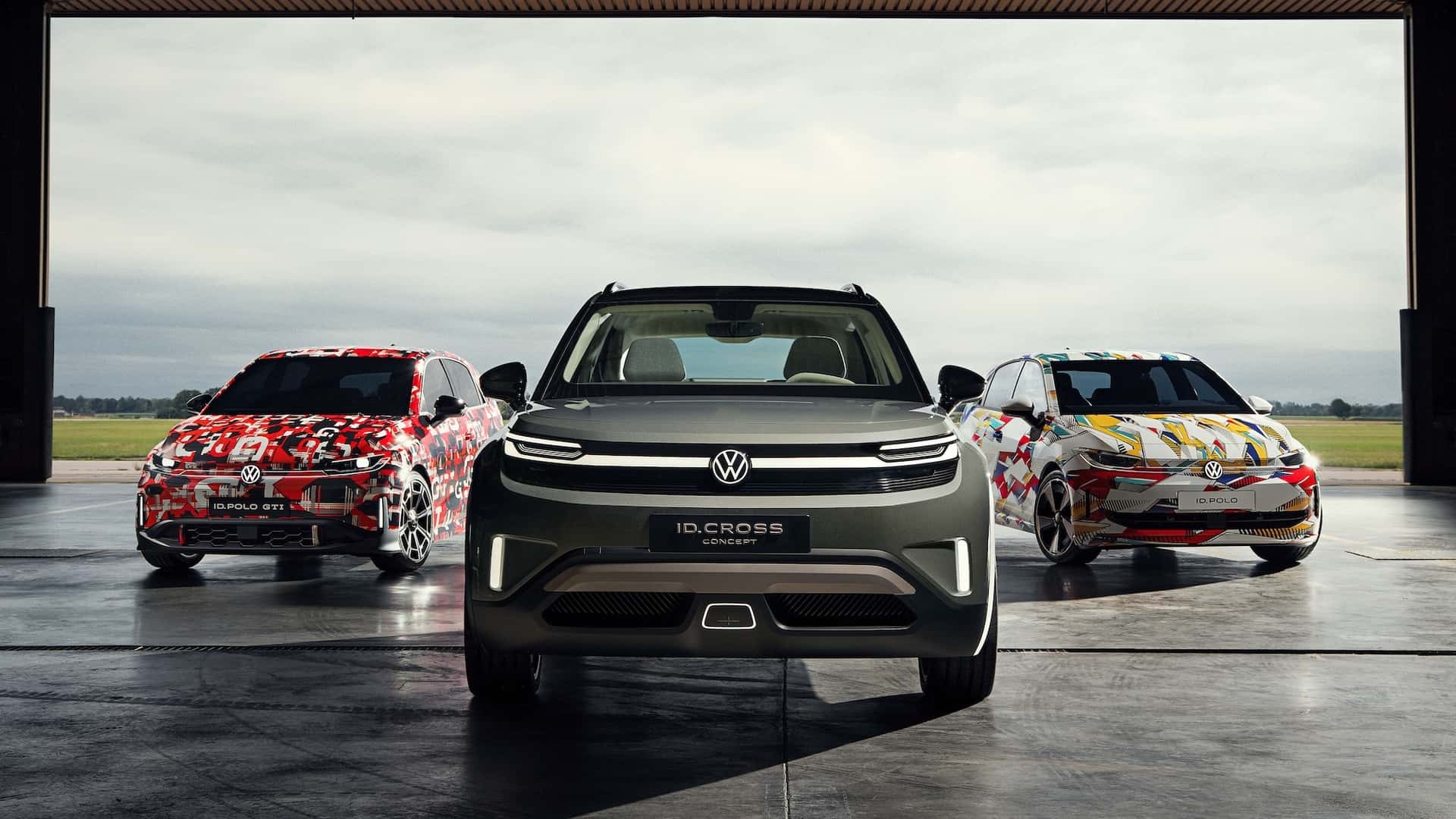
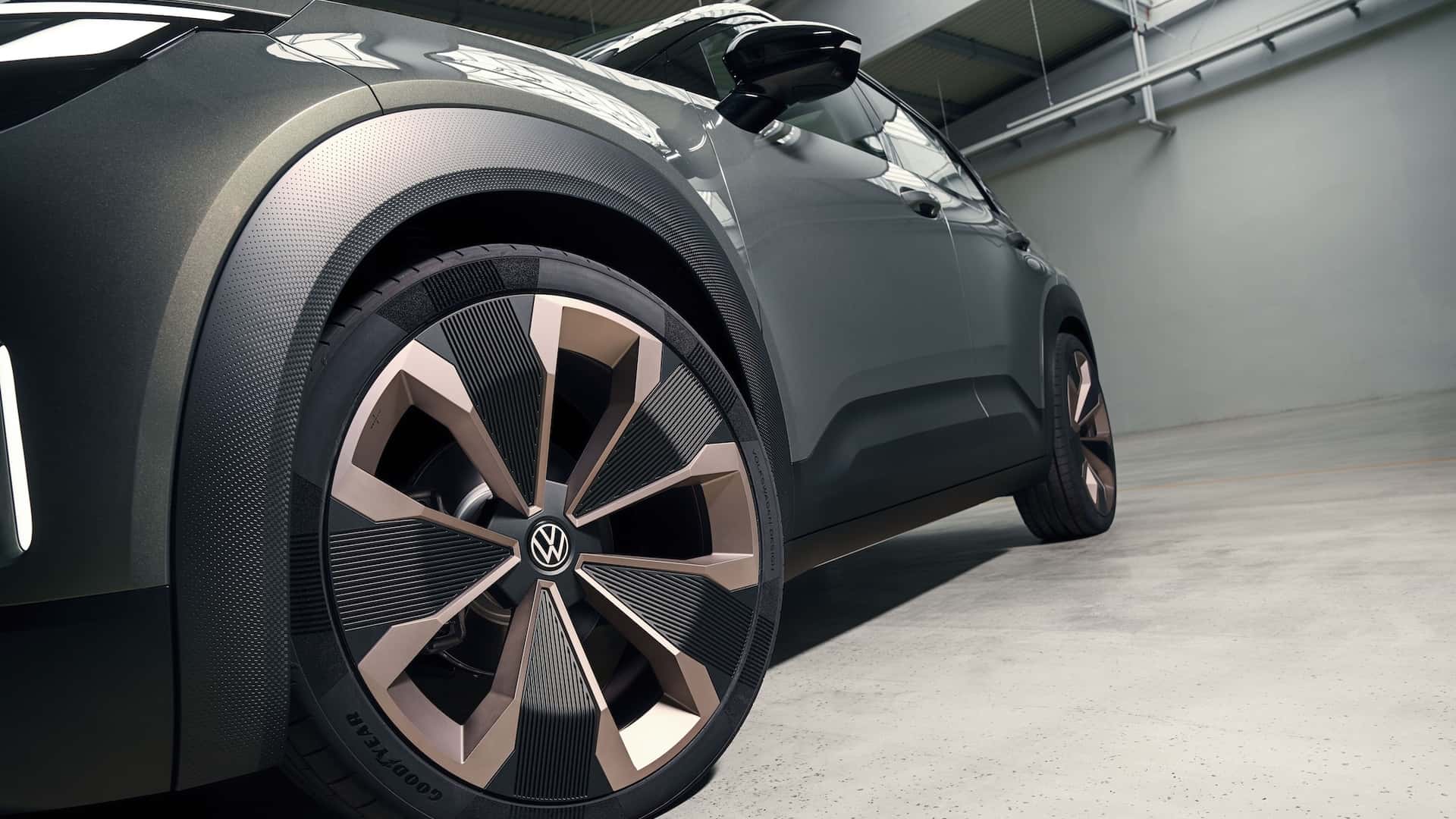
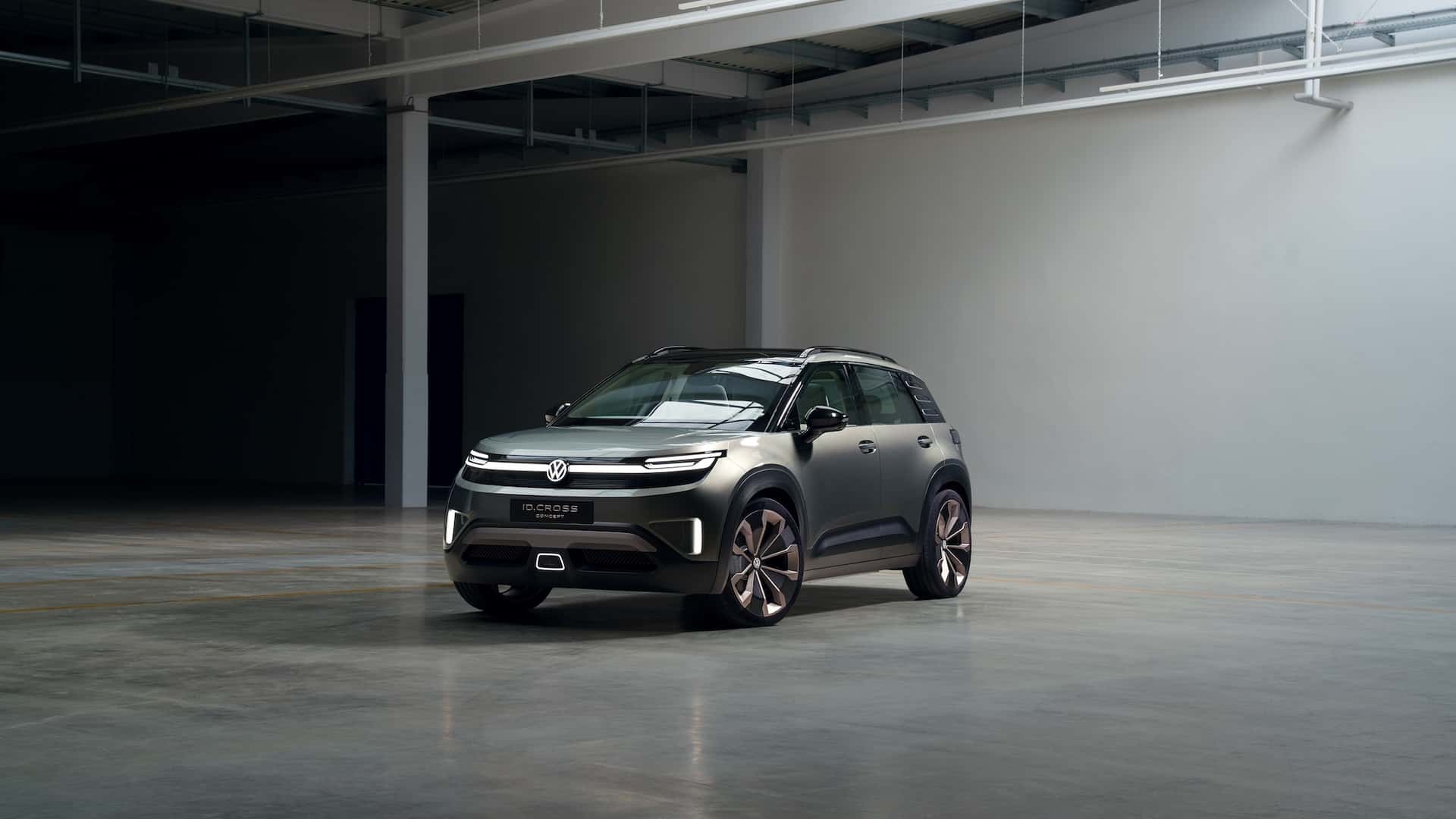
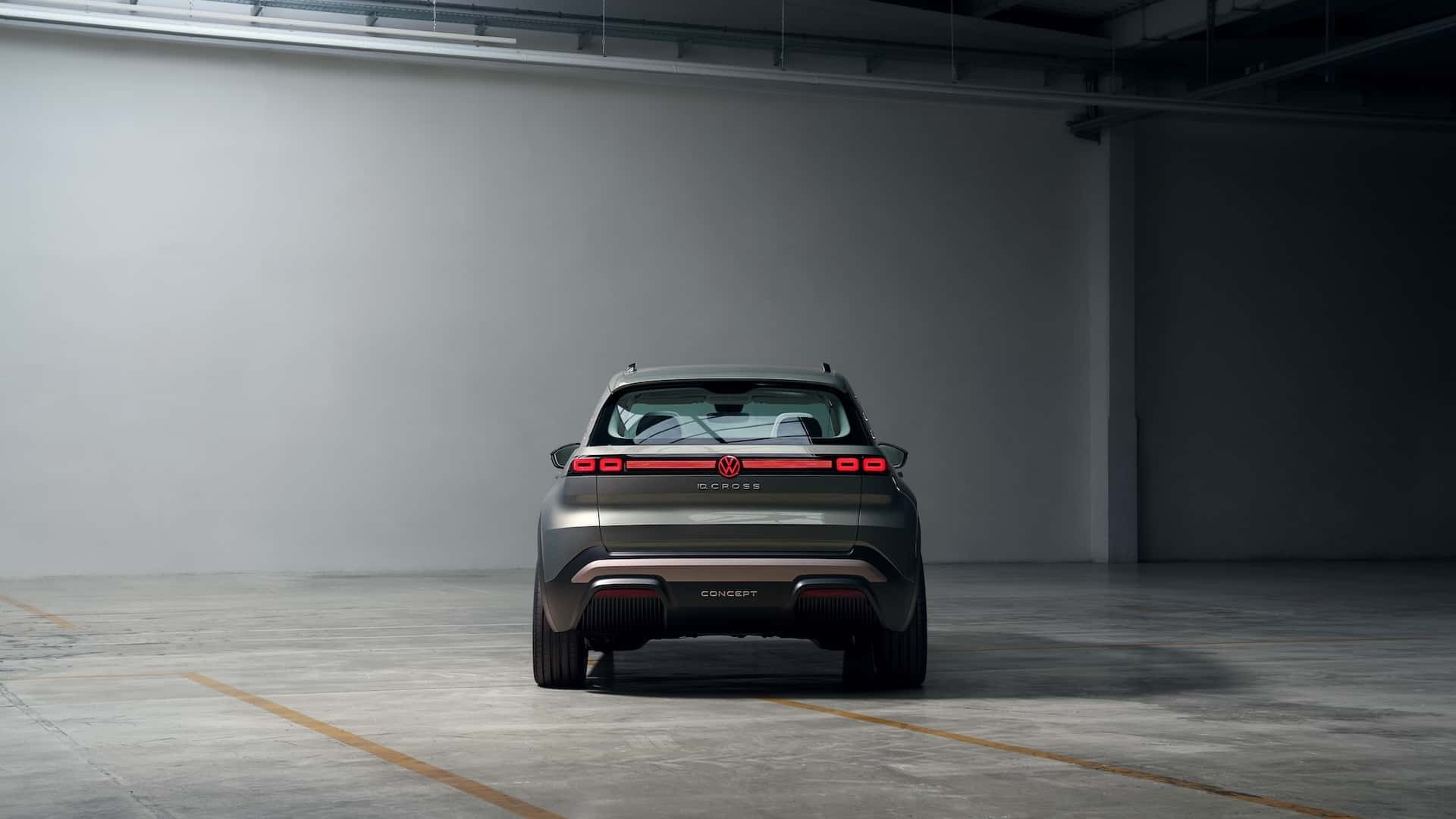
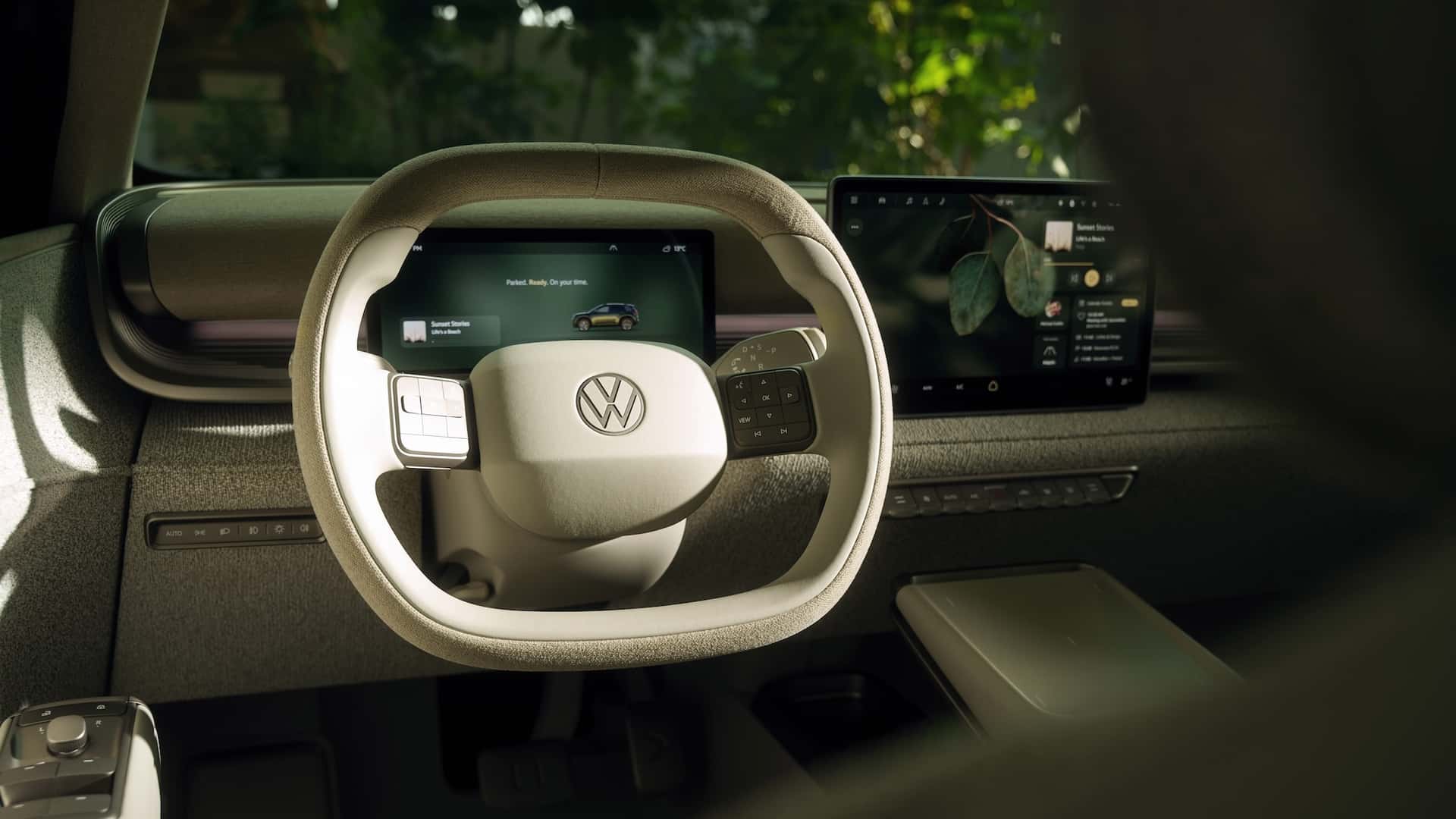
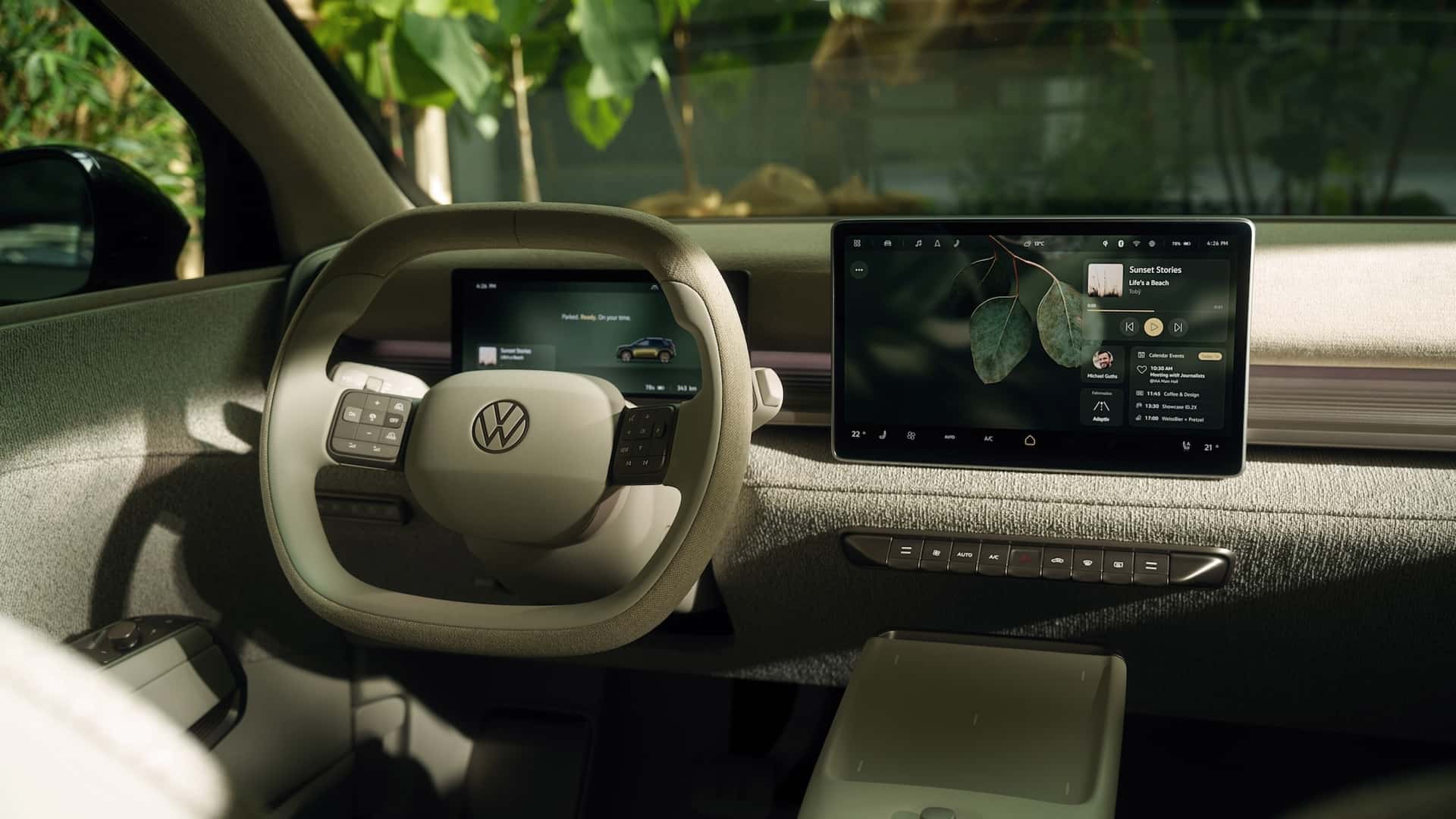
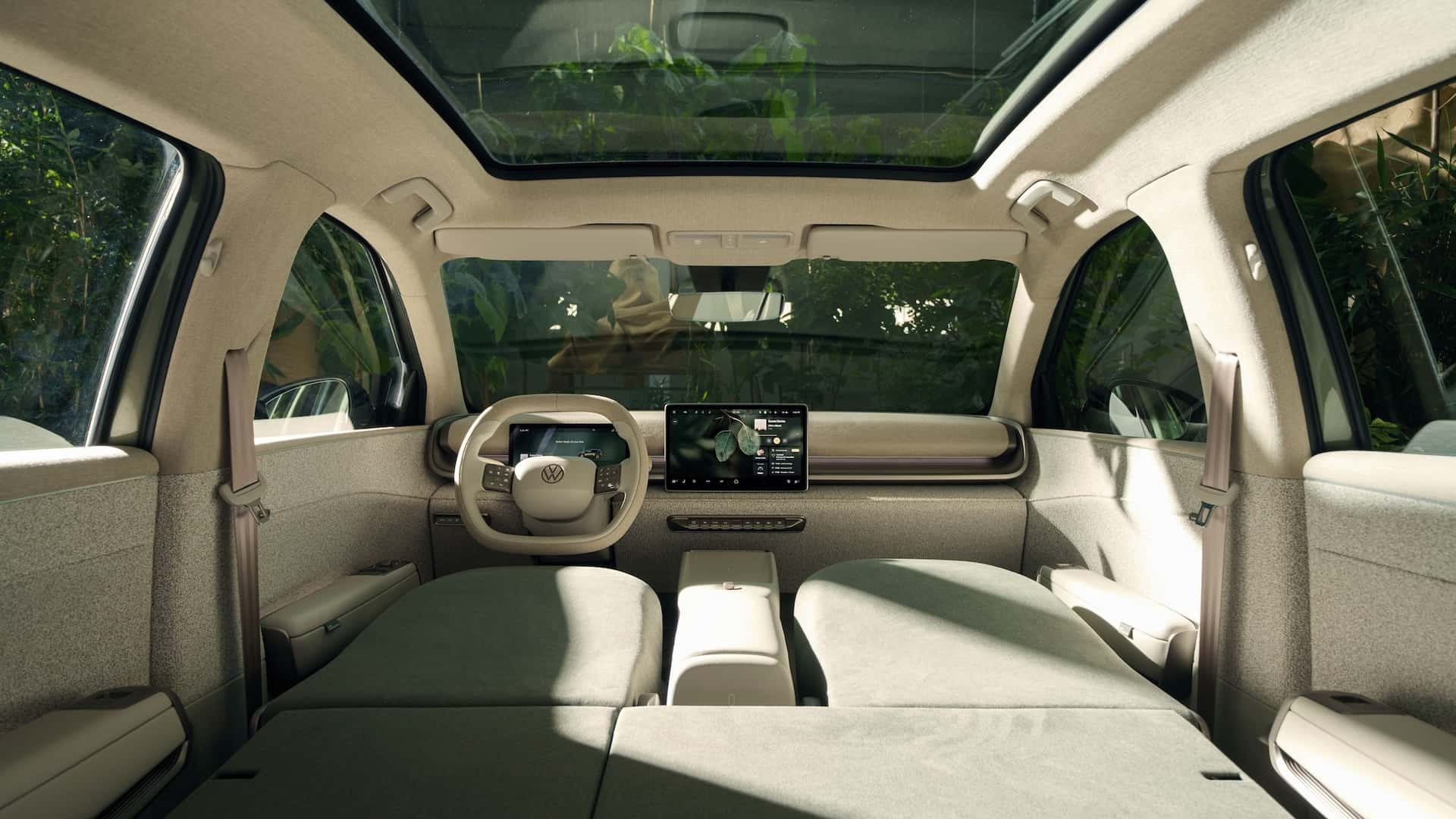
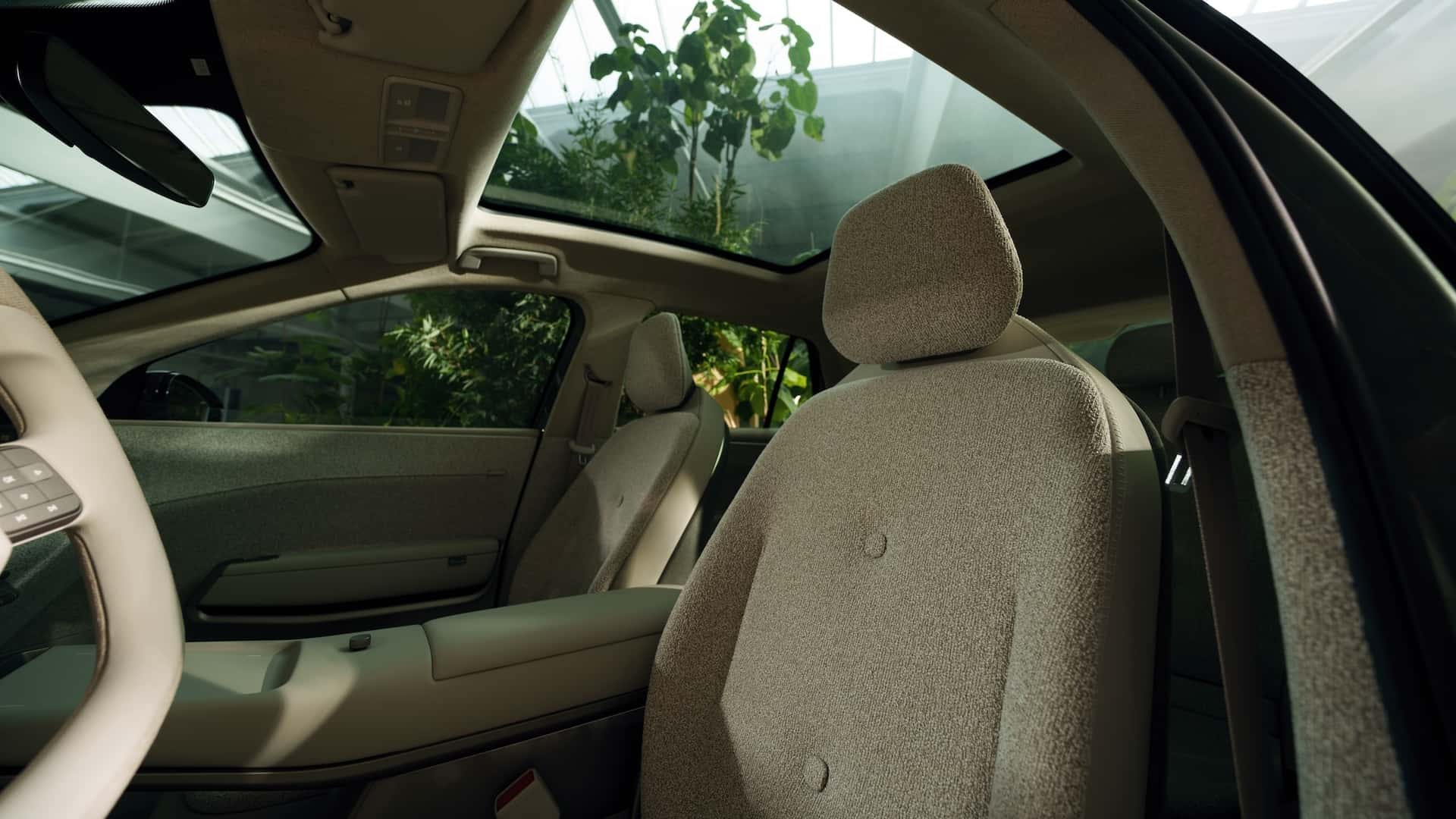
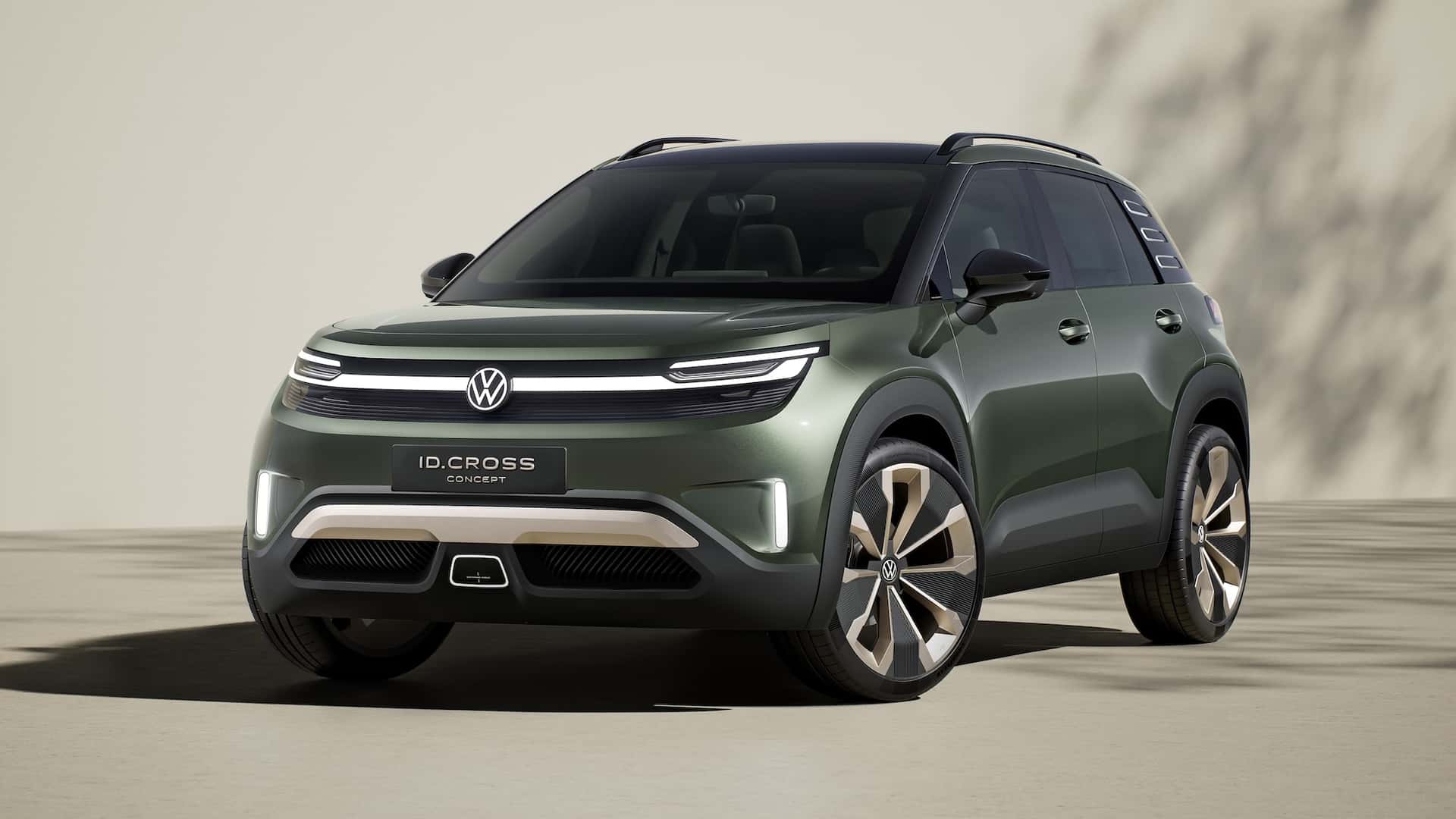
Take the ID. Cross concept, for example. It’s a compact crossover that brings back physical buttons something customers demanded after the frustration of touch-only controls. Its software design also looks far more polished, although we’ll need hands-on time to know if it truly delivers. If VW executes well, it could strike a unique balance that no other automaker has mastered yet: combining great software with tactile physical controls.
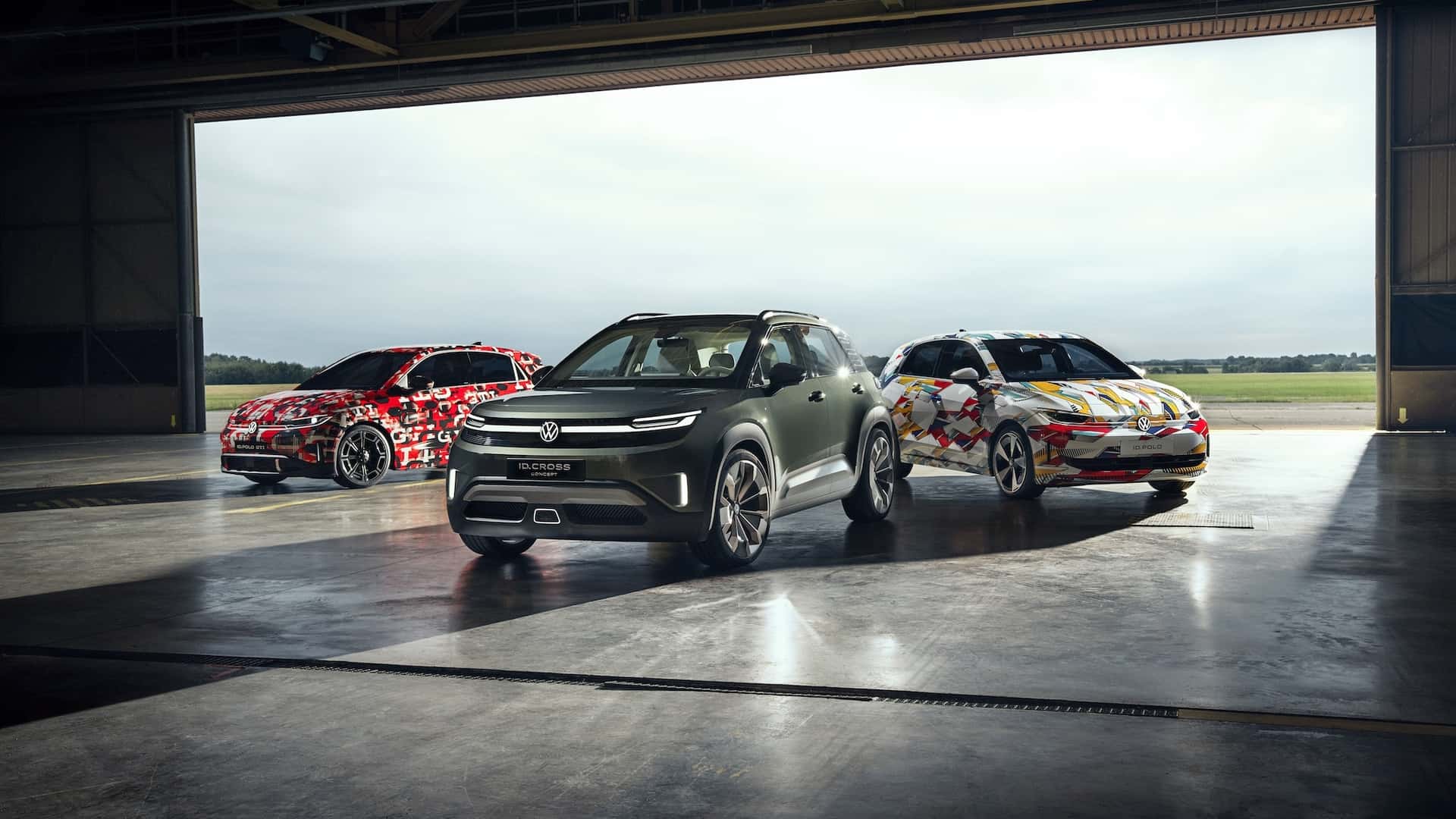
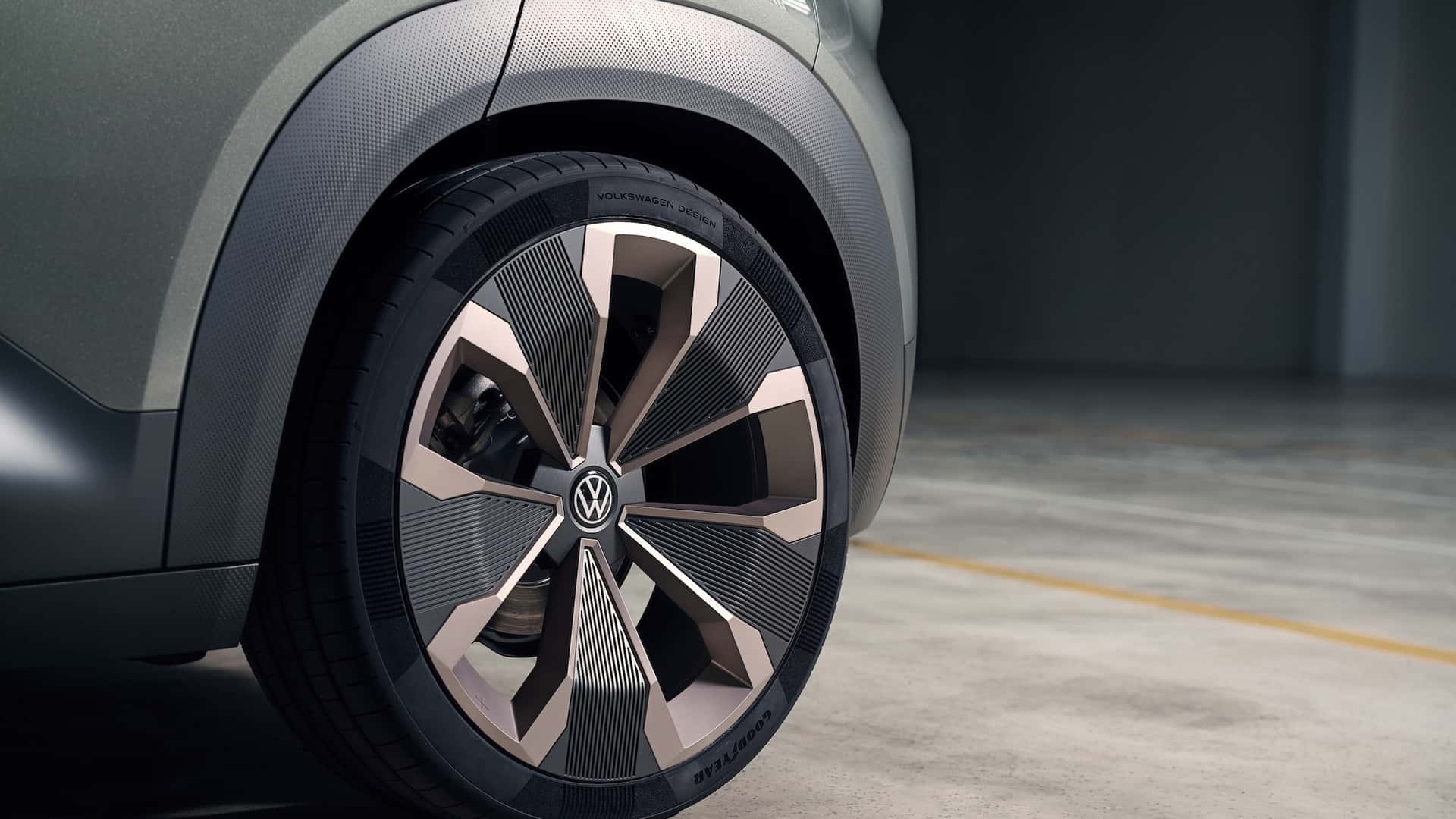
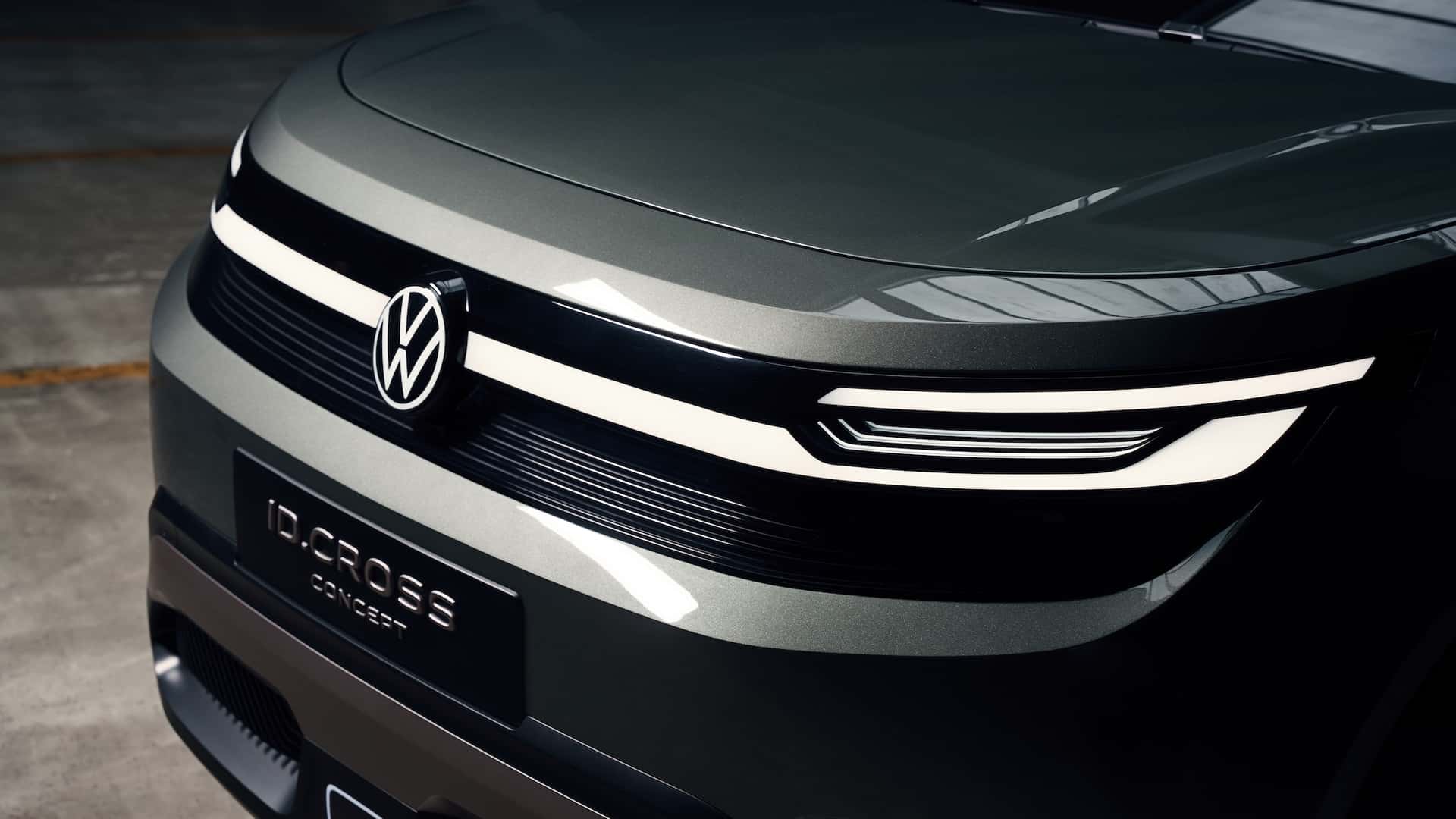
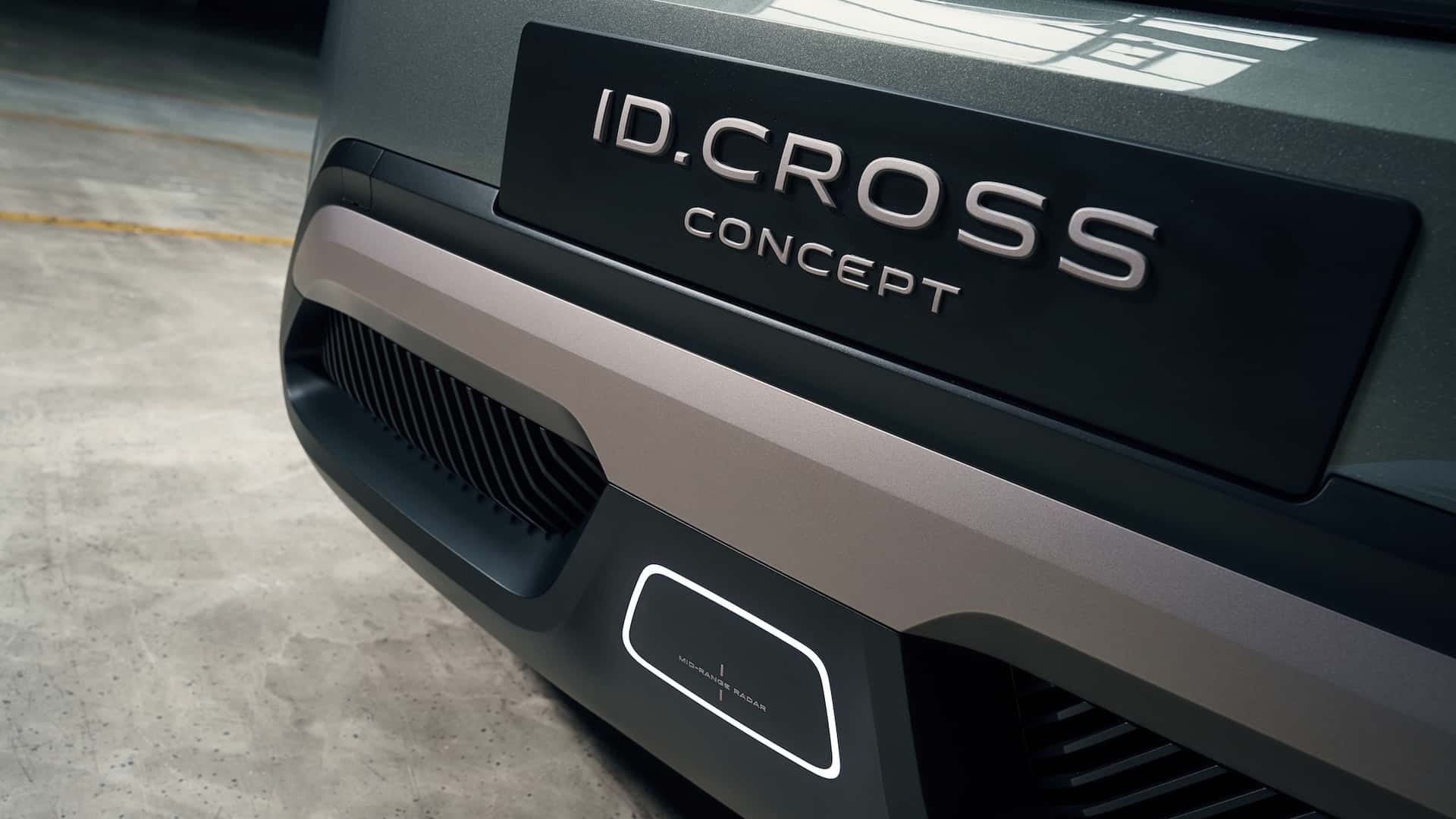
But perhaps even more exciting is the ID. EVERY1, Volkswagen’s upcoming entry-level EV. Unlike the ID. Cross, which refines the existing platform, the EVERY1 will debut a new zonal electrical architecture co-developed with Rivian. This next-generation system will make vehicles cheaper to build, easier to upgrade via over-the-air updates, and more efficient in wiring and computing.
Coupled with VW’s significant investments in battery production and its renewed humility about being behind in the U.S. and China, this new architecture could allow Volkswagen to offer EVs that are both affordable and competitive. Imagine Rivian’s software DNA paired with VW’s build quality and pricing power it could be a winning formula.
Humility Over Hubris
Volkswagen isn’t alone in facing the challenges of electrification. Audi has struggled to define its EV strategy, while Porsche’s China business has been hit hard, with the Macan EV receiving a lukewarm reception. Across the industry, automakers are waking up to the reality that building EVs isn’t just about slapping a battery in place of an engine it’s about rethinking the entire customer experience.
The encouraging sign is that Volkswagen, after years of missteps, seems to have shed its overconfidence. Instead of boasting about a “new era,” it’s quietly rebuilding trust, investing in meaningful technology partnerships, and putting customer needs at the forefront of its designs.
The ID. Cross shows VW can refine and improve its existing platforms, while the ID. EVERY1 signals a genuine leap into a smarter, more competitive EV future. After years of doubt, it finally feels like Volkswagen is moving in the right direction.
Final Thoughts
Volkswagen’s EV journey has been rocky filled with recalls, software headaches, and strategic missteps. Yet, the company’s recent efforts suggest it has learned the painful lessons necessary to compete in a rapidly evolving market. The combination of better software, improved interiors, strategic partnerships, and competitive pricing could position Volkswagen as a true leader in the next wave of EV adoption.
It’s taken humility, not hubris, to get to this point. And while there are still many hurdles to overcome, Volkswagen finally looks like a company ready to compete in the electric era.
What are your thoughts on Volkswagen’s renewed EV strategy do you think the company has truly turned the corner, or is there still a risk it could fall back into old habits? Let us know in the comments below!
