The moment many enthusiasts thought would never come has finally arrived. Ferrari has officially introduced the Luce, its first fully electric supercar. For a brand synonymous with high-revving V8 and V12 engines, the move into electric mobility represents one of the most dramatic transformations in its history.
Unveiled at a high-profile event in San Francisco, the Ferrari Luce signals more than just a new powertrain. It represents a philosophical shift. The project was developed in collaboration with the renowned creative collective LoveFrom, known for its minimalist and emotionally driven design approach. Together, they focused not only on performance but on redefining how an electric Ferrari should feel from the inside out.
The name “Luce,” meaning “light” in Italian, symbolizes Ferrari’s shift toward a new era. Ferrari says the name embodies clarity, innovation, and a forward-thinking vision. Rather than treating electrification as a regulatory necessity, the company aims to use electric technology to enhance performance and driver engagement.
Performance: Four Motors, 1,000 Horsepower
The Ferrari Luce will take the form of a four-door, four-seat grand tourer. Weighing approximately 2,300 kilograms, it balances luxury and high performance in equal measure. Power comes from four electric motors two mounted at the front and two at the rear delivering a combined output of roughly 1,000 horsepower.
That level of power translates into serious performance credentials. Ferrari estimates a 0 to 100 km/h sprint in just 2.5 seconds, placing the Luce firmly within supercar territory. Despite being fully electric, the company insists that the car will preserve the emotional intensity drivers expect from the prancing horse badge.
Underneath the body sits a substantial 122 kWh battery pack, capable of delivering an estimated 530 kilometers of driving range on a full charge. The Luce runs on an advanced 880-volt electrical architecture, supporting ultra-fast charging speeds of up to 350 kW. This setup allows the car to replenish significant range in minimal time, aligning it with the latest high-performance EV standards.
Interior: Craftsmanship Meets Technology
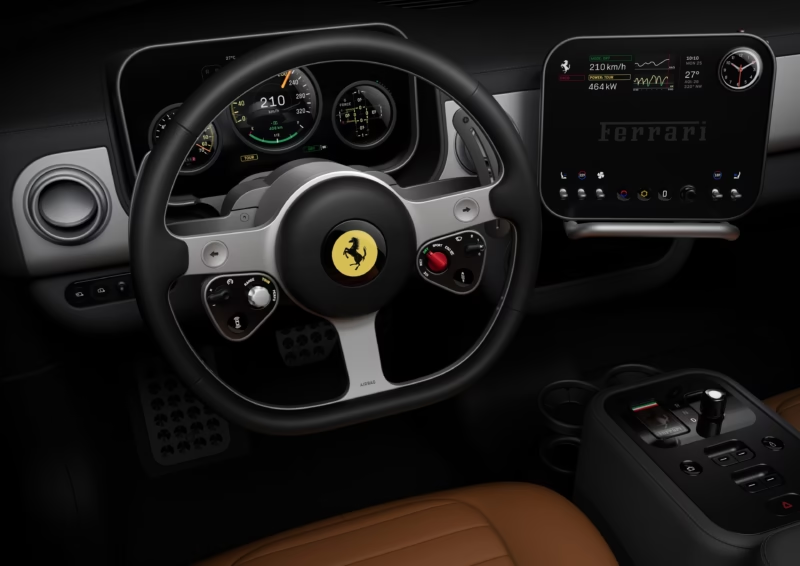
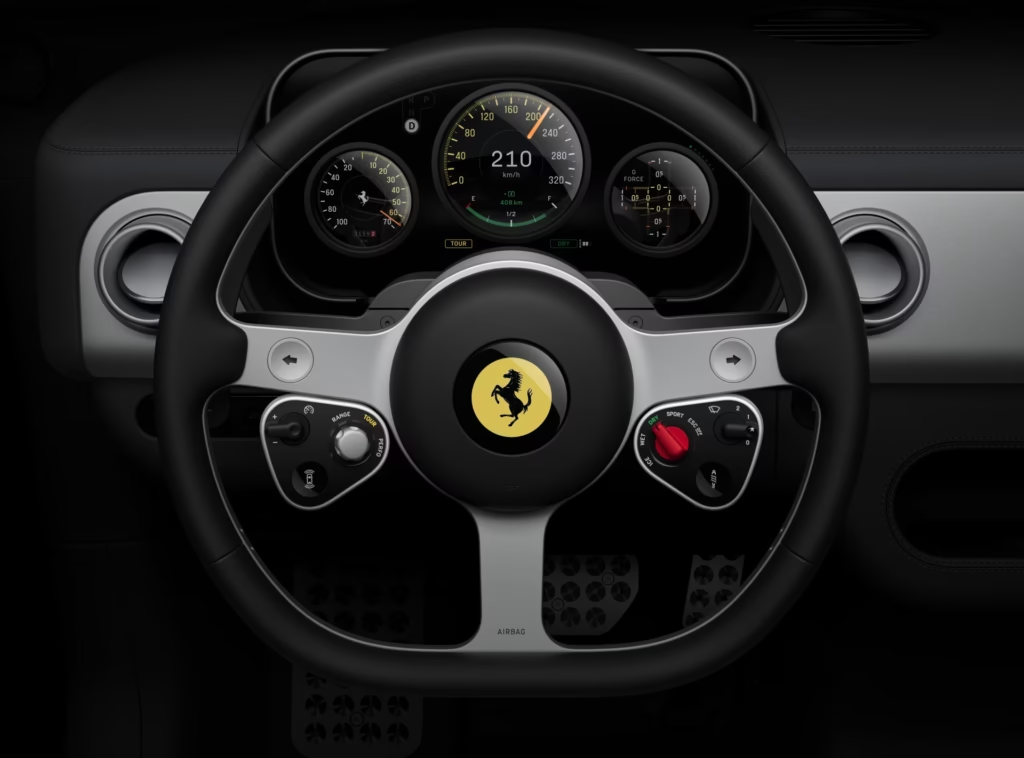
While the power figures are impressive, the interior design may be the Luce’s most surprising element. Ferrari deliberately avoided creating a sterile, screen-heavy cabin. Instead, the design team incorporated numerous physical buttons and tactile controls to maintain a sense of mechanical connection.
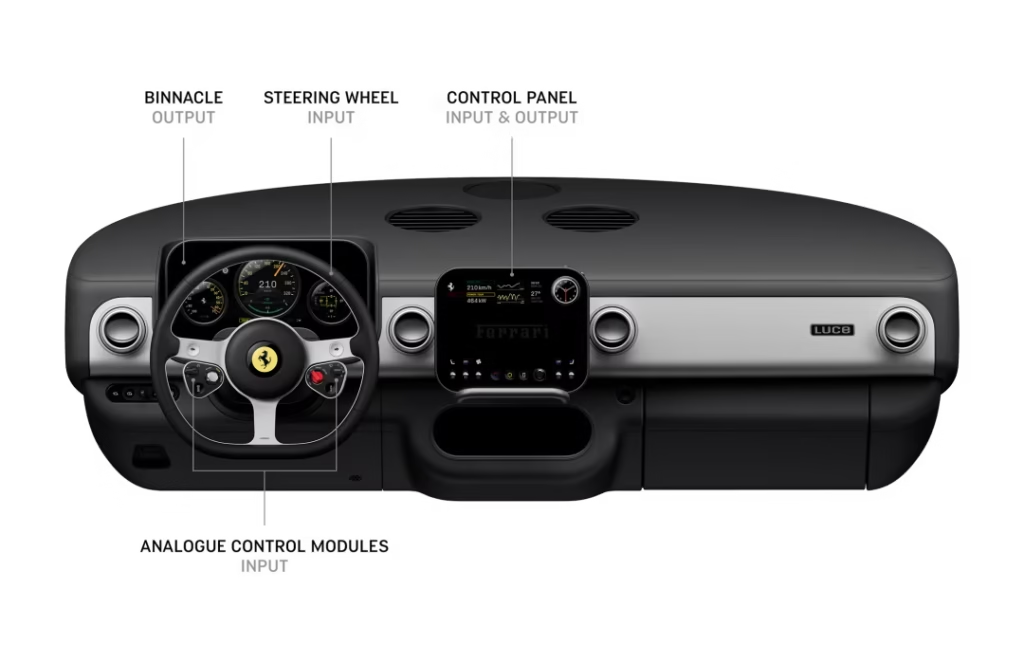
The steering wheel stands out as a centerpiece. Crafted from 100% recycled aluminum, it draws inspiration from Ferrari’s classic wooden wheels of the 1950s. The design is thin, elegant, and 400 grams lighter than a conventional Ferrari steering wheel. Its minimalist controls echo Formula One styling, while engineers even fine-tuned the “click” sound of each button to ensure satisfying feedback.
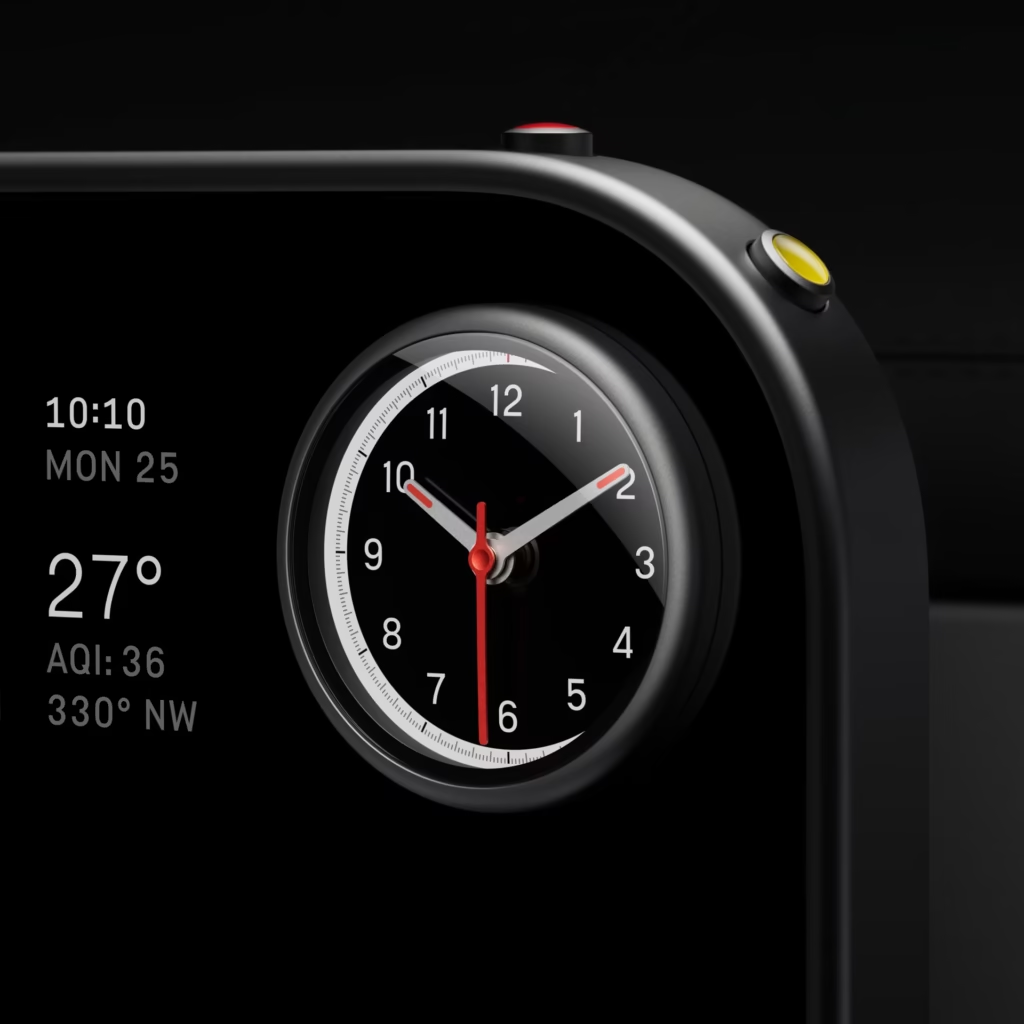
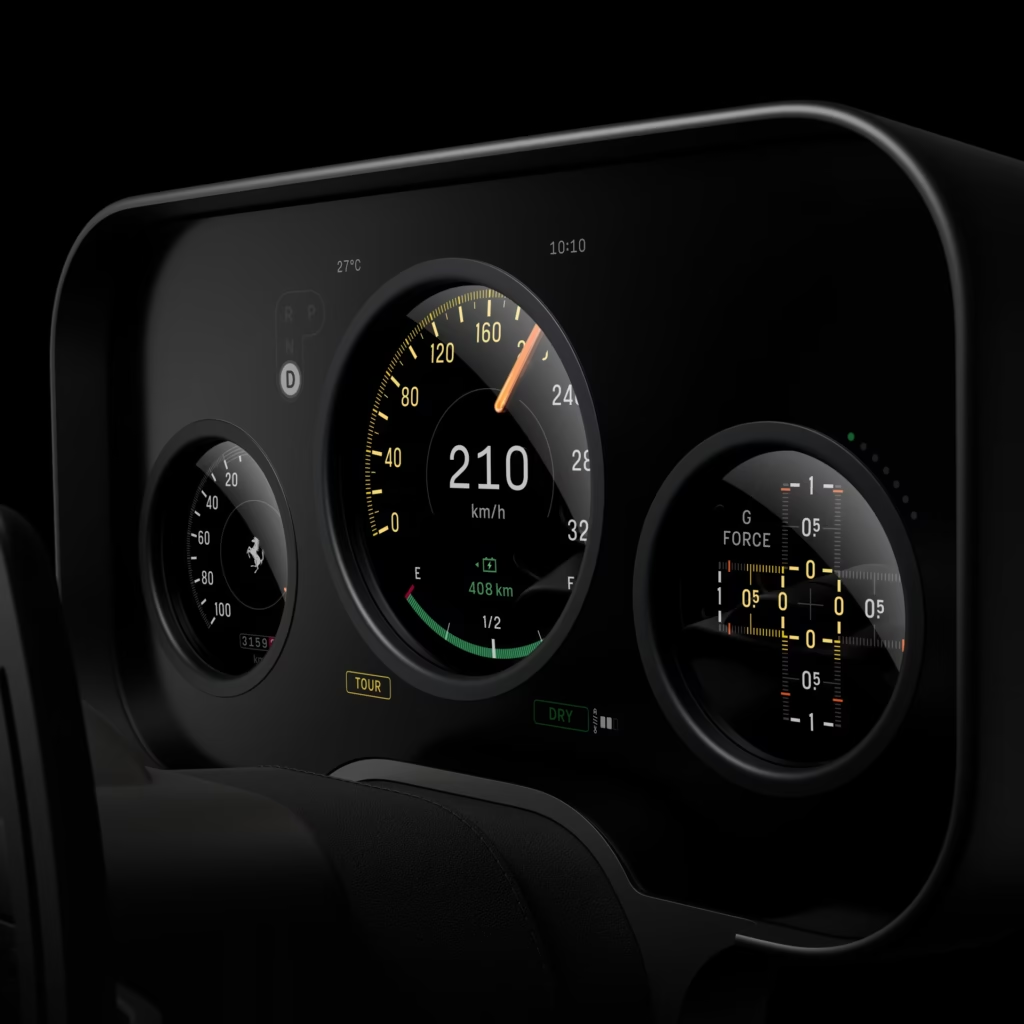
Technology is still central to the experience. The cabin features three primary displays, including a 12.5-inch driver screen supplied by Samsung. This display uses advanced layered technology to create a subtle three-dimensional effect, enhancing depth and clarity.
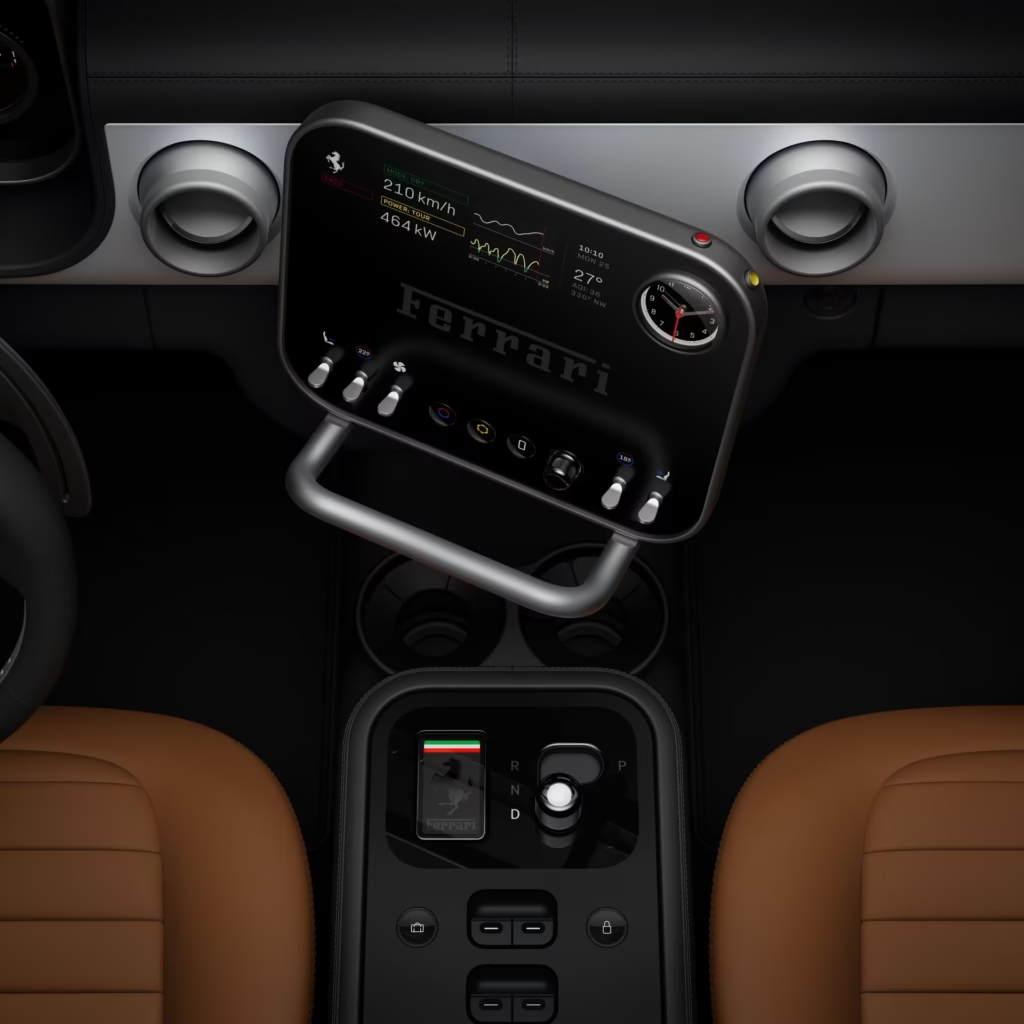
In the center of the dashboard, a swiveling touchscreen can rotate toward either the driver or front passenger. This adjustable layout ensures intuitive access to navigation and media functions. To further enhance ergonomics, the main instrument cluster is mounted to the steering column itself. When the steering wheel is adjusted, the display moves with it, keeping vital information perfectly aligned with the driver’s line of sight.
A Dramatic Start-Up Experience
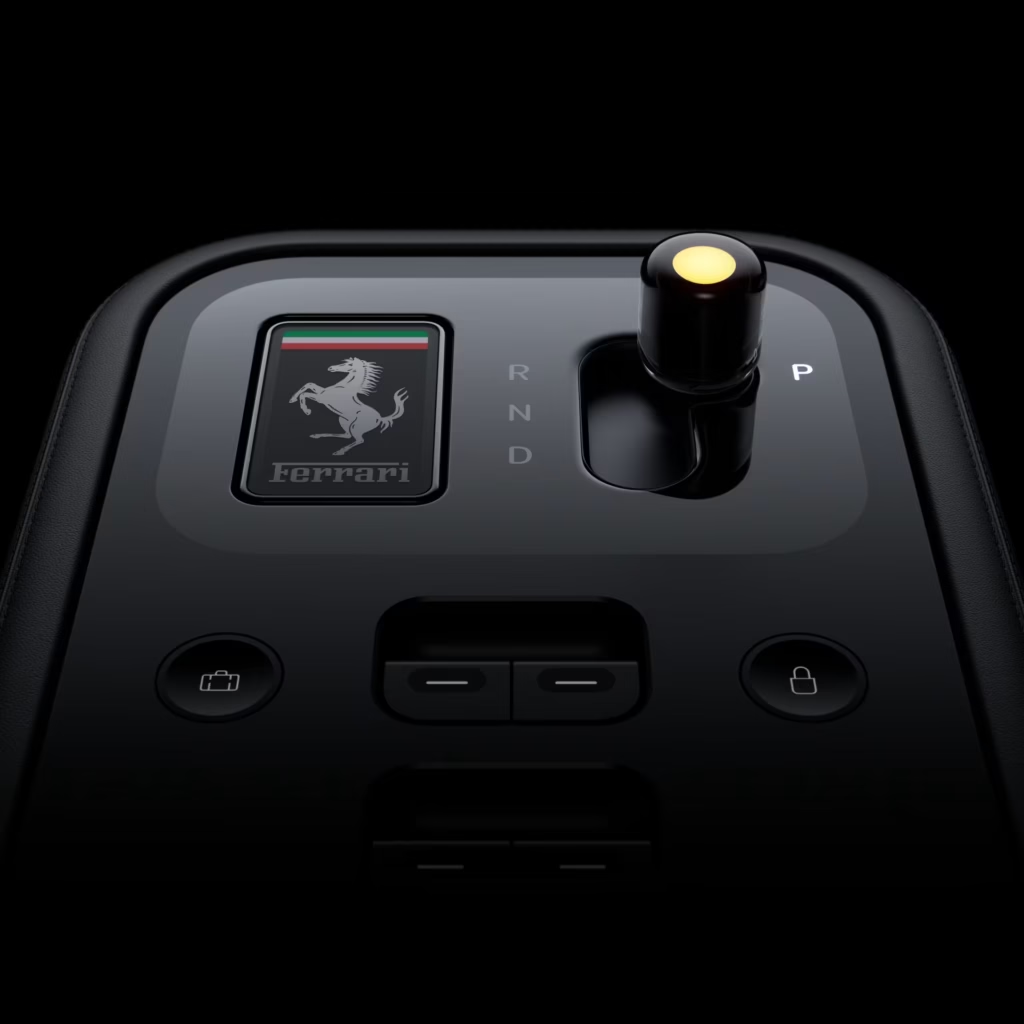
Ferrari has paid attention to even the smallest details. The key is crafted from durable Gorilla Glass, typically found in premium smartphones. It incorporates an e-ink display that changes color when inserted into its slot on the center console. As the key shifts from yellow to black, the dashboard awakens in a synchronized lighting sequence, turning the act of starting the car into a ceremonial moment.
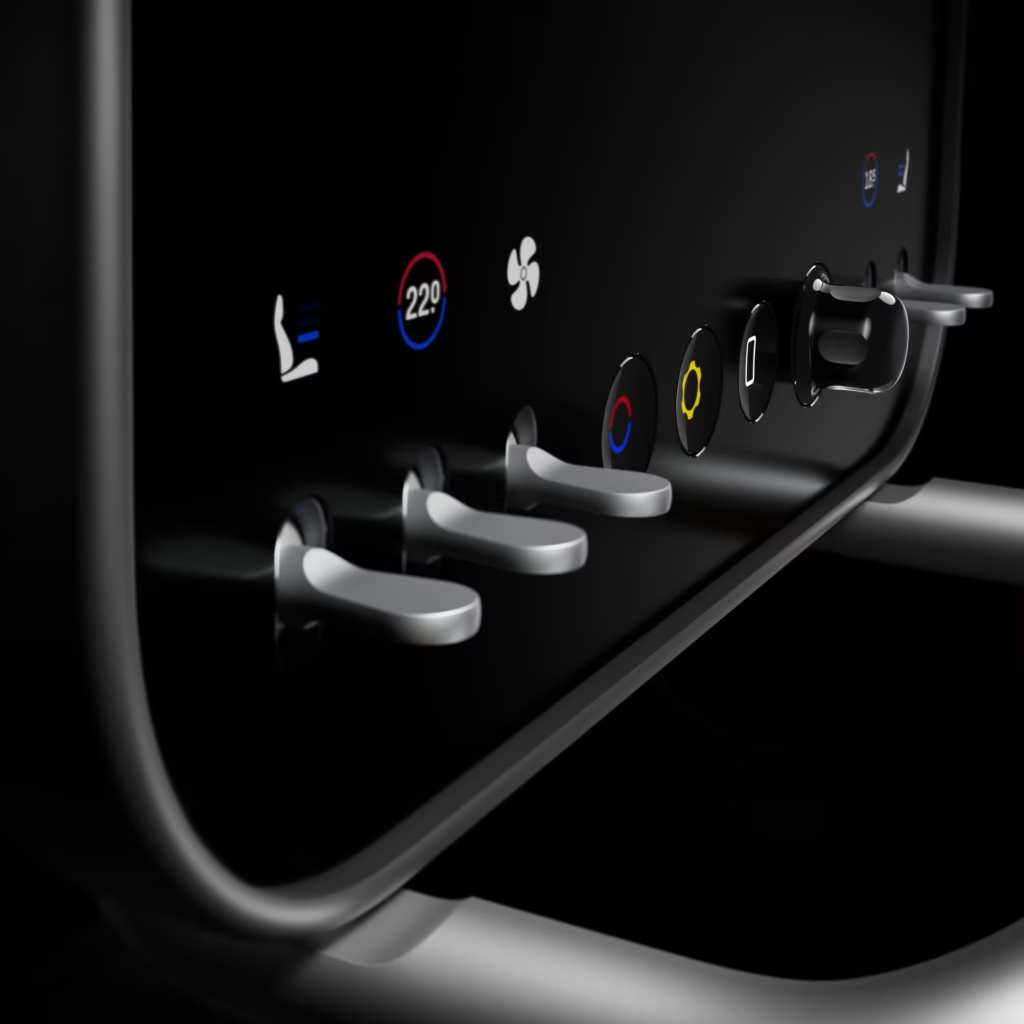
The gear selector is equally distinctive, precision-milled from glass and laser-etched for crisp detailing. These touches reinforce Ferrari’s intention to blend craftsmanship with futuristic materials.
Sound in a Silent Era
One of the biggest concerns among fans has been the absence of Ferrari’s iconic engine note. To address this, engineers developed a sound amplification system that captures the natural acoustic tones of the electric motors and tire interaction. The system enhances and projects those sounds into the cabin, creating an authentic yet amplified auditory experience.
Design and Market Positioning
While the exterior design has yet to be fully revealed, Ferrari has confirmed a wheelbase of 2,960 mm, making the Luce slightly shorter than the Ferrari Purosangue. The body structure incorporates 75% recycled aluminum, aligning with sustainability goals without compromising structural rigidity.
As for pricing, Ferrari has not released official figures, but industry analysts expect the Luce to start at approximately $535,000 (around €4,51,000; ₹4,86,50,000). The complete version, including final exterior styling, will be unveiled in Italy in May 2026. The Ferrari Luce represents a bold step into a new era one that blends electrification, sustainability, and high performance without abandoning heritage.
What are your thoughts on Ferrari entering the electric supercar world with the Luce does this signal an exciting evolution, or do you miss the roar of traditional engines? Let us know in the comments below!



A really good blog and me back again.
Great content! Keep up the good work!