Imagine never needing to stop at a charging station again. For many drivers, the biggest hesitation about switching to electric cars comes down to “range anxiety” the worry that the battery might run out before they can find a charging station. Despite advances in battery technology, questions still linger: How far can I go? Where will I charge? And how long will it take? But what if electric vehicles could charge on the move, directly from the road? In France, that idea is no longer science fiction. A new experiment is testing a highway that charges electric cars as they drive, and the early results are incredibly promising.
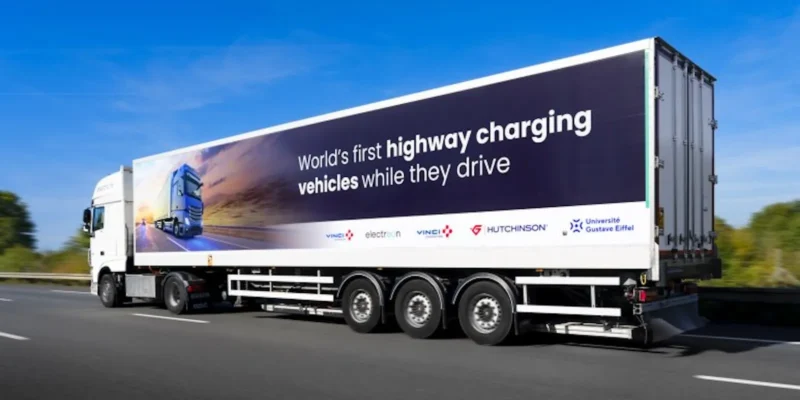
This groundbreaking pilot project is taking place on a 1.5-kilometer (just under one mile) stretch of the busy A10 motorway near Paris. The initiative, led by VINCI Autoroutes, is a collaboration between several major partners, including Electreon (a leader in wireless EV charging), Gustave Eiffel University, and Hutchinson. Together, they’re testing a system known as dynamic wireless charging, a technology that transfers electricity to moving vehicles through coils embedded beneath the road surface.
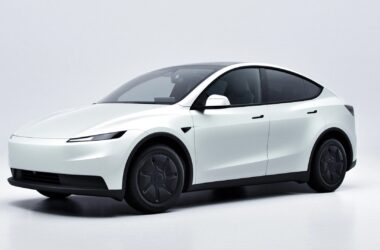
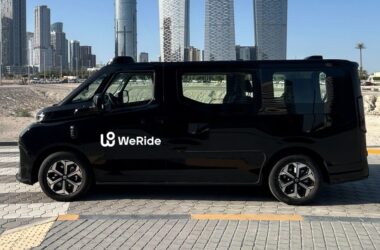
Unlike most controlled lab environments or closed test tracks, this French trial is happening under real-world conditions. Engineers modified four different electric vehicles a semi-truck, a delivery van, a passenger car, and a city bus and sent them into live traffic to test how effectively the system works. The idea is to see if EVs can receive continuous power while driving at highway speeds, something that could completely redefine how electric mobility works.
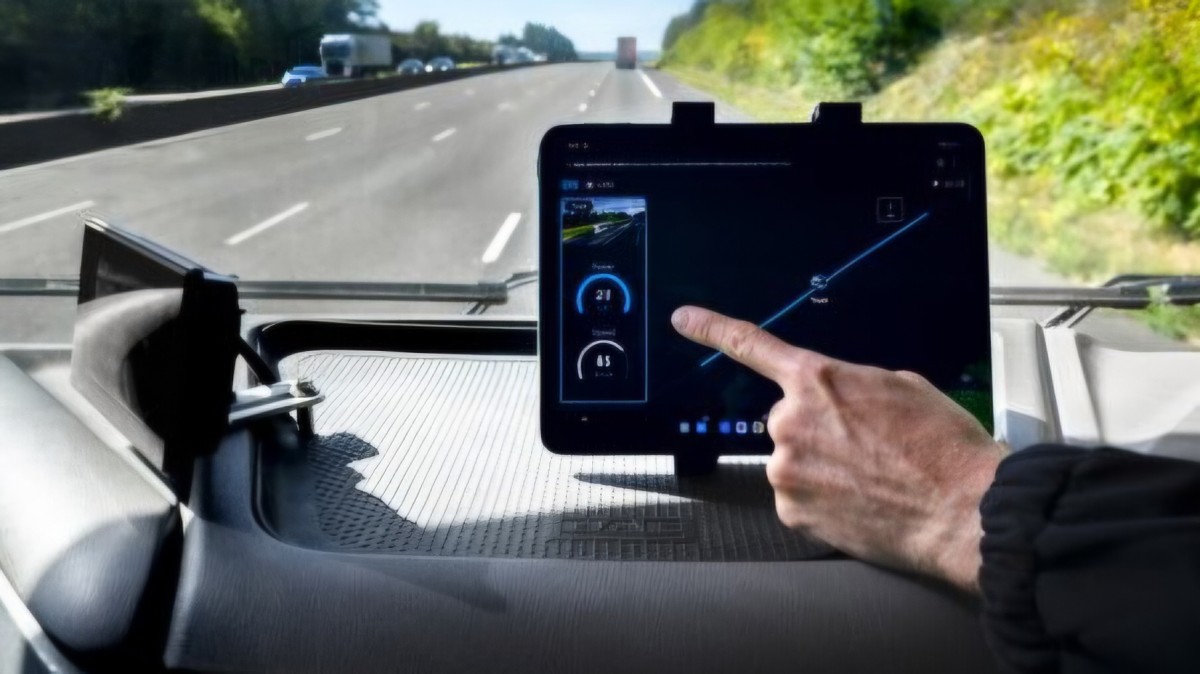
The results so far are nothing short of impressive. The system managed to transfer energy to the vehicles at a peak rate exceeding 300 kW, with an average output of over 200 kW. To put that in perspective, those numbers are on par with the most powerful fast-charging stations available today, like Tesla’s V3 Superchargers. But here’s the real game-changer: the drivers didn’t have to stop, plug in, or even slow down. Their cars simply drove over the special charging lane, and the batteries began charging automatically.
If this technology scales up, it could solve one of the biggest issues facing electric vehicles the limitations of their batteries. Currently, long-range EVs rely on enormous battery packs that are heavy, expensive, and resource-intensive to produce. These large batteries increase manufacturing costs, use scarce raw materials like lithium and nickel, and make vehicles less energy-efficient due to their added weight.
But if EVs could draw power directly from the road while driving, they wouldn’t need to carry such large batteries. That means lighter vehicles, lower production costs, and greater efficiency. Smaller batteries also mean less environmental impact from mining and manufacturing. In short, dynamic wireless charging could make electric cars cheaper, cleaner, and more sustainable all while eliminating the biggest inconvenience of owning one: the charging stop.
This concept isn’t entirely new, but France’s real-world test marks a major step forward. Electreon, one of the companies leading this project, has already proven that in-road wireless charging works in other parts of the world. In Tel Aviv, Israel, the company installed similar systems along bus routes, allowing electric buses to charge as they travel. The results were remarkable the buses, which originally required massive 400 kWh batteries, were able to operate using batteries as small as 45 kWh. That’s nearly a 90% reduction in battery size, cost, and weight, all without sacrificing performance or range.
The benefits go beyond convenience and cost. Because the system is built directly into the pavement, there are no exposed cables, moving parts, or charging arms that can wear out or malfunction. The technology uses magnetic induction to wirelessly transfer energy between the coils in the road and a receiver installed under the vehicle. This means it works reliably in all weather conditions rain, snow, or even ice. Drivers no longer have to step out in a downpour to plug in or risk slipping at a charging station. It’s safer, cleaner, and far more efficient.
Moreover, the potential environmental impact could be huge. In France, transportation accounts for about one-third of all greenhouse gas emissions. Electrifying long-distance trucking and buses is essential to achieving the country’s climate goals. If highways like the A10 can provide continuous charging for trucks and buses, the heavy-duty transport industry could drastically reduce its reliance on diesel. That would be a massive win for both the economy and the planet.
While the A10 motorway test is still in its early stages, it’s already proving that this technology can handle real-world conditions and different types of vehicles. The fact that a bus, truck, and passenger car can all use the same charging road shows the system’s flexibility and readiness for broader implementation. The next step will likely involve expanding the testing area and studying long-term durability, cost, and integration with existing EV charging networks.
Experts believe that if countries start integrating this technology into major highways, the entire concept of EV ownership could change. Drivers wouldn’t have to worry about finding a charger or waiting for hours at charging stations. Long-distance electric travel could become as simple as driving a gas car today perhaps even simpler.
Of course, there are challenges ahead. Building in-road charging infrastructure requires significant investment, and governments would need to decide how to regulate and fund it. Still, as France’s test shows, the future of electric cars might literally be built into the road beneath our wheels.
What are your thoughts? Do you think highways that charge electric cars as they drive could become the global standard or will this remain a futuristic experiment limited to a few countries? Let us know in the comments below!