For years, Toyota observed from the sidelines as China’s electric vehicle market rapidly expanded, dominated by homegrown brands. But now, the Japanese auto giant is changing its playbook. Instead of relying solely on its own technology, Toyota is embracing a fresh strategy: collaborate with China’s leading tech innovators to win over local buyers.
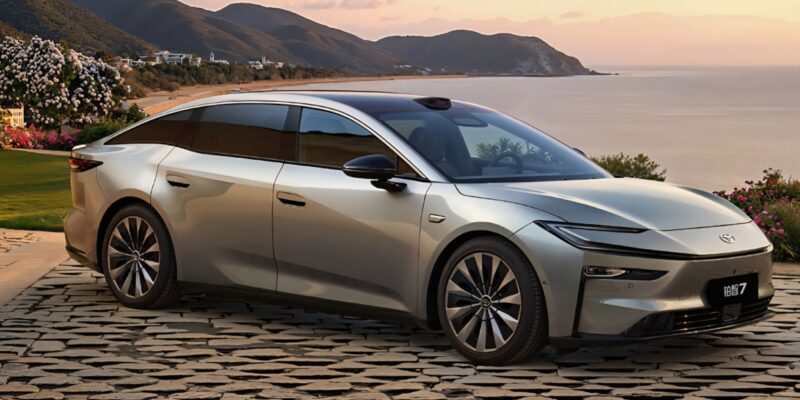
The upcoming GAC Toyota bZ7 electric sedan is the first major example of this shift. Built under Toyota’s joint venture with GAC, the bZ7 is a large, premium electric sedan developed with the help of two of China’s most influential technology players Huawei and Xiaomi.
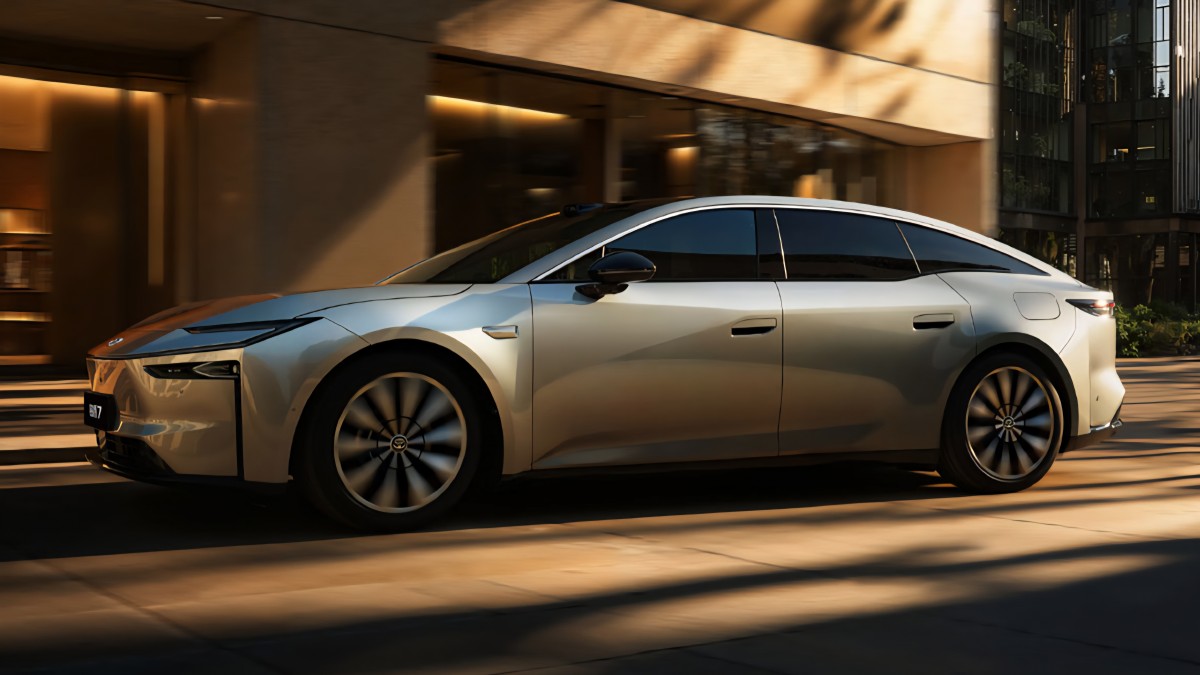
A Full-Sized Electric Sedan for China
The bZ7 is no compact city runabout. Measuring 5,130 mm long, 1,965 mm wide, and 1,500 mm tall, with a wheelbase of 3,020 mm, it positions itself firmly in the large sedan segment. This size ensures a roomy, comfortable interior, which is a crucial selling point for Chinese consumers who prioritize spaciousness in family vehicles.
While the exterior design maintains some familiar Toyota styling cues, the real story lies beneath the surface and it marks a significant departure from Toyota’s traditional approach.
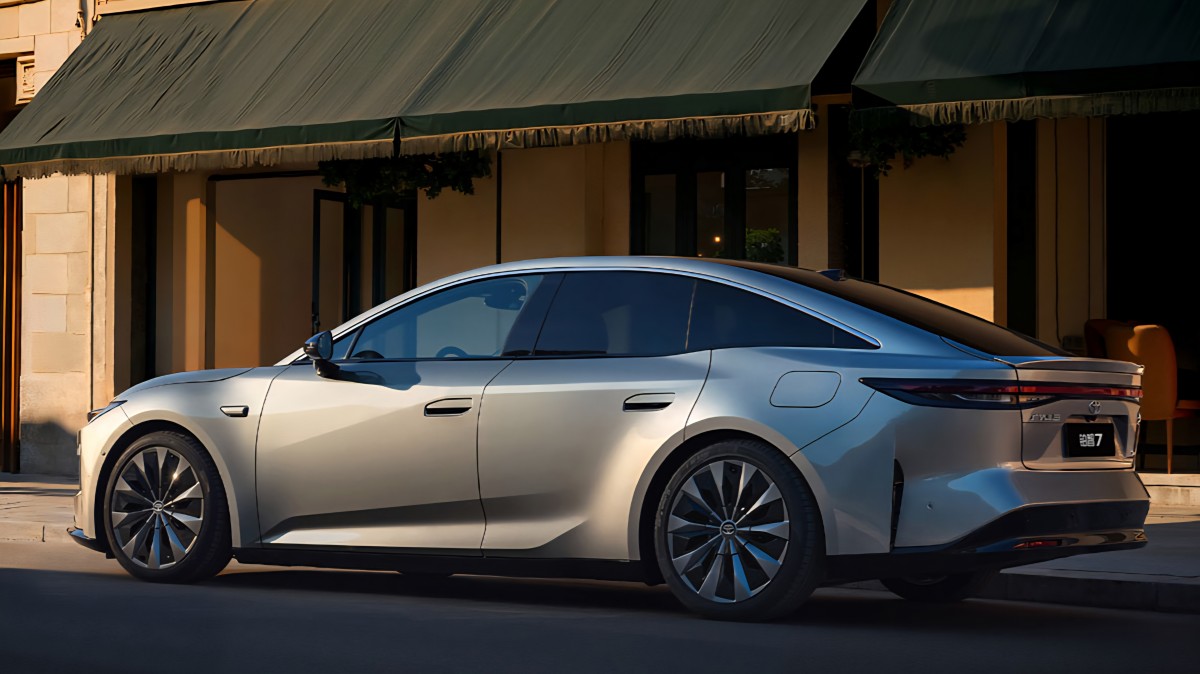
Powered by Huawei Technology
Unlike previous Toyota EVs, the bZ7 will not rely on an in-house-developed motor. Instead, it will be equipped with a Huawei-supplied power unit. Regulatory filings reveal that this motor produces 207 kW (278 hp), delivering a top speed of 180 km/h. At 2,105 kg, the bZ7 isn’t built for record-shattering performance, but rather for smooth, dependable power perfect for families seeking a reliable, long-range sedan.
This move highlights Toyota’s willingness to lean on Chinese tech expertise rather than depend entirely on its global development centers.
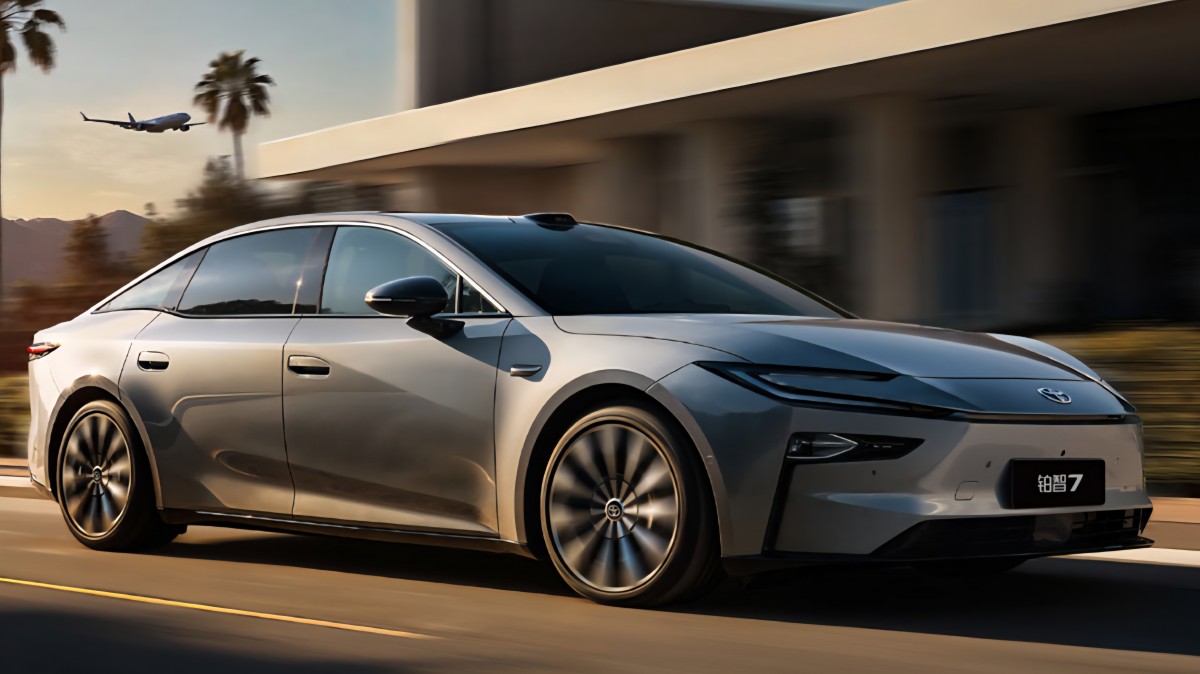
A Next-Level Cabin Experience With Huawei and Xiaomi
The bigger transformation, however, happens inside the bZ7. In today’s EV market, the infotainment system is often the deal-breaker, and Toyota has chosen to let local tech leaders set the standard.
The sedan will feature Huawei’s HarmonySpace cockpit, a highly advanced infotainment and vehicle control system renowned for its user-friendly interface, connectivity, and seamless performance. This ensures the bZ7 can compete with local rivals who often outpace global automakers in digital in-car experiences.
In addition, the bZ7 will integrate directly with Xiaomi’s smart ecosystem. This means owners will be able to connect their car with a wide range of smart home devices and personal electronics something highly valued by China’s tech-savvy younger buyers. For example, users can control home appliances, lighting, or personal devices directly from their car’s interface, making the bZ7 a true extension of the digital lifestyle.
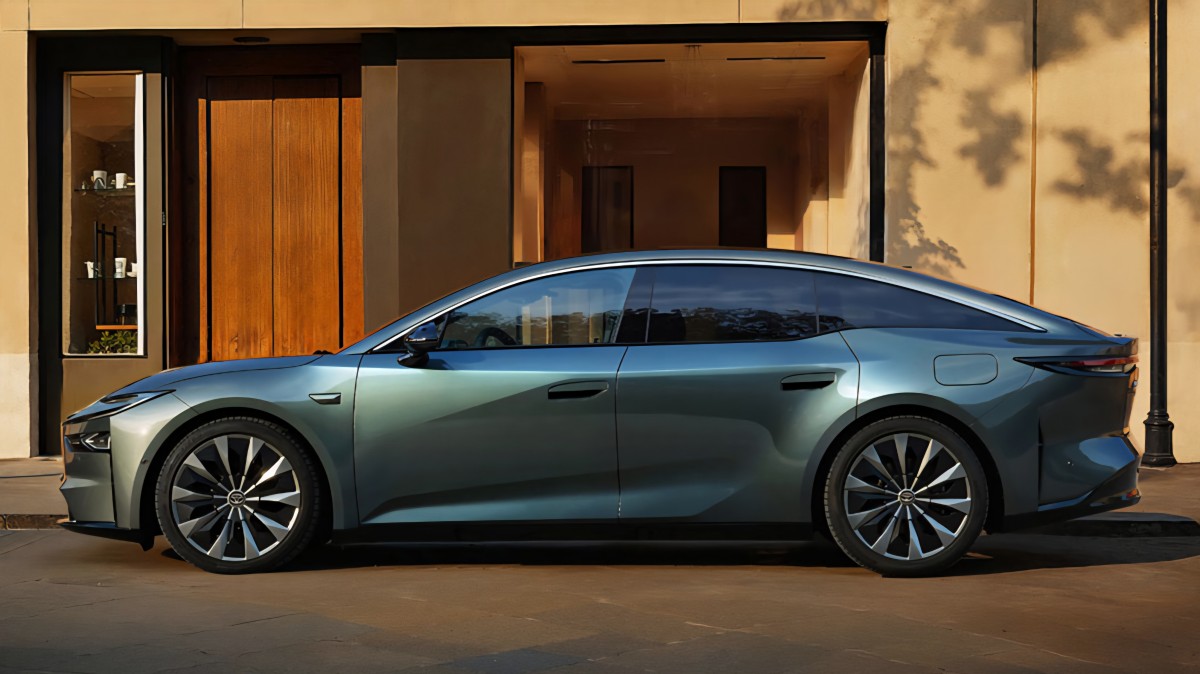
A Shift in Toyota’s Global Strategy
This collaboration with Huawei and Xiaomi represents more than just a product launch it signals a fundamental shift in Toyota’s global operations. For decades, major decisions about new models were centralized at the company’s headquarters in Japan. That traditional approach is being set aside in favor of localized autonomy.
At a recent technology conference, Yoshiaki Konishi, head of Toyota’s EV research and development in China, announced that “authority for new vehicle development in the region is officially moving into the hands of local teams“. This means Chinese engineers will now play the lead role in shaping new models, facelifts, and next-generation designs specifically tailored to their domestic market.
Konishi emphasized that China’s EV landscape is evolving so quickly that Toyota must conduct independent local R\&D, separate from its global programs, in order to keep pace. The bZ7 is the first product born from this localized strategy, and it could mark the beginning of a new chapter for Toyota in the world’s largest electric vehicle market.
By joining forces with Huawei and Xiaomi, Toyota isn’t just introducing another electric sedan it’s rethinking its entire approach to how cars are developed and marketed in China. The bZ7 reflects a blending of Toyota’s global automotive expertise with the digital innovation of Chinese tech leaders, offering a product that feels both premium and locally relevant.
What are your thoughts on Toyota’s decision to rely on Huawei and Xiaomi for its new electric sedan do you see it as a smart way to win in China’s EV market or a risky move for the brand’s identity? Let us know in the comments below!