Waymo, the autonomous driving company owned by Google’s parent Alphabet, is entering new territory with a bold expansion into two U.S. cities known for their unpredictable weather. This week, the company announced that it will begin operations in both Seattle and Denver, marking a significant milestone as it prepares its fleet of electric self-driving taxis to face some of the most challenging driving conditions in the nation.
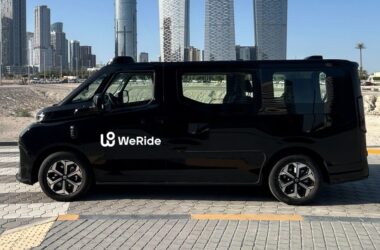
The vehicles joining these cities are the familiar Jaguar I-Pace all-electric SUVs as well as Waymo’s new purpose-built robotaxi, an electric van developed by Zeekr. But for now, residents won’t see cars driving themselves through busy intersections or snow-covered roads. To start, Waymo will operate in a manual testing phase, with safety drivers behind the wheel to map streets and gather local data. This stage is critical for mapping out city streets, collecting traffic data, and, most importantly, studying how the system adapts to challenging weather patterns like heavy rain in Seattle and snowstorms in Denver.
Waymo has long been testing its autonomous technology in relatively forgiving environments such as Phoenix, Arizona, where sunny skies and predictable conditions make for easier driving scenarios. But as the company continues to push forward with its nationwide rollout, it knows that proving its system in harsher climates is the next big challenge.
Denver will be the first to see fully autonomous public rides, with the company aiming to launch driverless services there as early as next year. Seattle’s timeline is less clear, as Waymo still needs to secure local permits before opening rides to the public. Once it does, the Pacific Northwest will serve as a true proving ground for the company’s ability to handle heavy rainfall, slick roads, and foggy conditions.

Waymo’s growth plans extend well beyond Denver and Seattle. The company has already confirmed that Dallas, Miami, and Washington, D.C., are on its roadmap for 2026. As of now, Waymo’s U.S. fleet has expanded to over 2,000 electric vehicles, including 800 in the San Francisco Bay Area, 500 in Los Angeles, 400 in Phoenix, and 100 in Austin. This aggressive growth highlights Waymo’s determination to dominate the U.S. robotaxi market and expand its autonomous ride-hailing service across key metropolitan areas.
While the move to Denver appears straightforward, Seattle presents a few more hurdles. Lawmakers in Washington state have been cautious about self-driving vehicles, taking time to design strict safety regulations. The Seattle Department of Transportation (SDOT) has been preparing for years by creating permitting systems and safety frameworks tailored to autonomous vehicles.

In a statement, SDOT said it supports innovation but emphasized that it is taking a “smart, safety-first approach” to ensure public trust and safety. Once operations begin, Waymo plans to focus on neighborhoods such as the International District, Central District, Queen Anne, and the University District, as well as nearby cities like Bellevue and Kirkland.
Seattle has been a testing ground for autonomous vehicle companies before, though not all have succeeded. Amazon’s autonomous vehicle division, Zoox, started testing in Seattle in 2021. Two years later, General Motors’ Cruise followed, aiming to gain experience from the city’s steep hills and rainy driving conditions. However, those efforts didn’t last. GM later shut down its Seattle engineering hub, and by late 2024, the company exited the robotaxi business altogether.

Waymo is betting it can succeed where others stumbled, relying on its more advanced technology and greater experience in the self-driving space.
For Waymo, entering Seattle and Denver is more than just expanding to new cities—it’s a chance to prove that its autonomous driving system can perform reliably under some of the most difficult driving conditions in the U.S. If proven successful, this expansion could speed up nationwide adoption of Waymo’s technology and redefine how Americans view urban transportation in cities with tough weather conditions.
What are your thoughts on Waymo’s expansion into cities like Seattle and Denver, do you think tackling rain, snow, and complex traffic will help prove the reliability of self-driving taxis, or is the technology still too early for such demanding conditions? Let us know in the comments below!