The Tesla Roadster has long been one of the most talked-about yet least-seen cars in the automotive world a futuristic supercar that feels more like a legend than a reality. But once again, Elon Musk has reignited the conversation. After years of delays and silence, the Tesla CEO is back with fresh promises, claiming that the long-awaited Roadster is “getting close” to a real-world demonstration and this time, it might even “fly.”
For those new to the story, the Roadster has a complicated history. The first-generation Tesla Roadster, launched back in 2008, was Tesla’s very first production car. It ended its run in 2012 and marked the beginning of Tesla’s journey into electric mobility. Then, in 2017, Musk stunned the world by unveiling a next-generation version of the Roadster during a surprise event. The specs he revealed were jaw-dropping a 0 to 97 km/h sprint in just 1.9 seconds, a top speed of over 402 km/h, and an astonishing driving range of around 998 km on a single charge. With a starting price of €170,000, the car was slated to enter production in 2020.
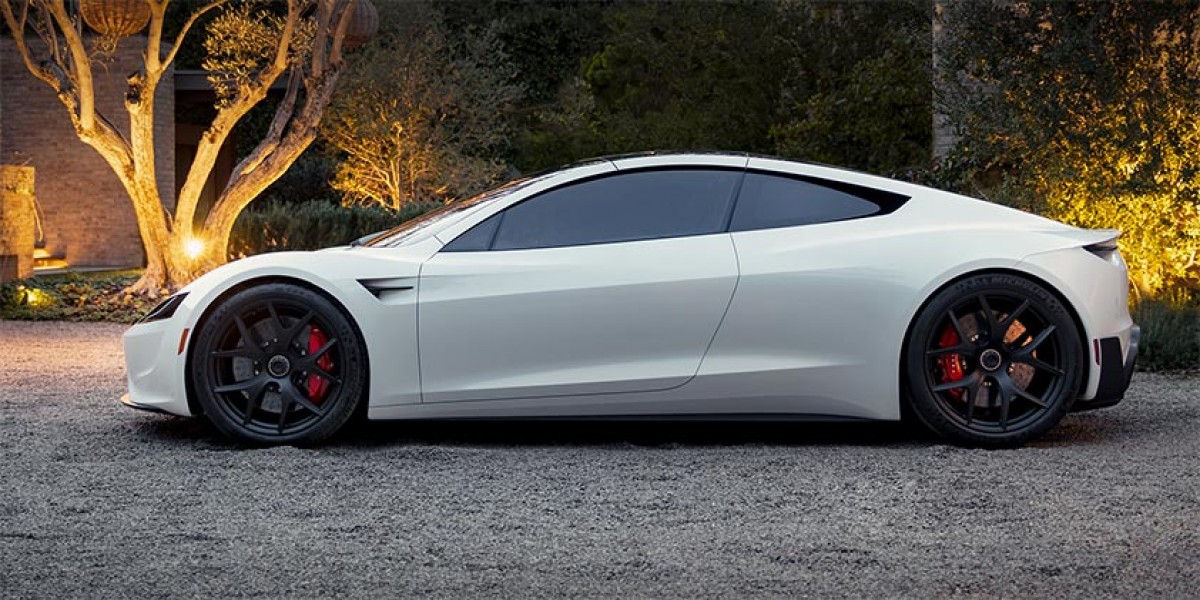
However, that was easier said than done. 2020 came and went, and so did 2021, 2022, and 2023 without a single Roadster reaching a customer. The car slowly turned into what many fans now call the “phantom Tesla.” The original specs are now nearly a decade old, and what was once Tesla’s boldest promise has become a symbol of Musk’s tendency to dream big but deliver late. Early buyers who put down significant deposits began asking for refunds, and it seemed the project had faded away.
But recently, Tesla has shown signs of life regarding the Roadster. Reports have surfaced suggesting that the company is hiring engineers for a new “Roadster battery” program, hinting that the supercar’s development might still be underway behind the scenes. Musk himself has once again stirred the pot with new claims this time, during a three-hour podcast appearance with Joe Rogan.
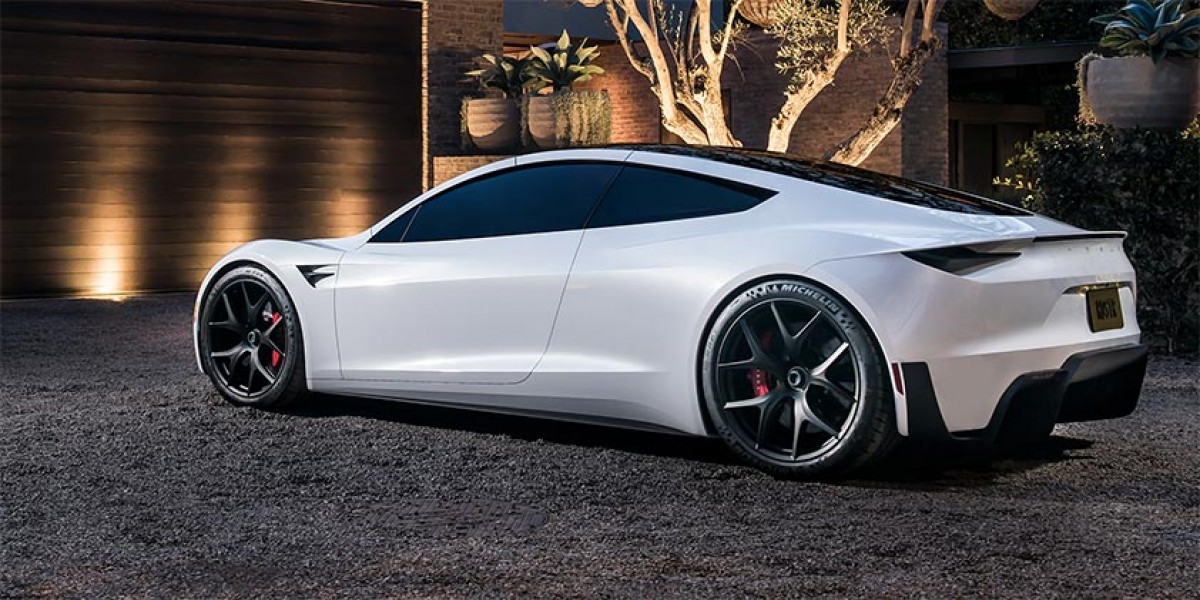
During the conversation, Rogan asked Musk about the long-delayed supercar, and Musk confirmed that the Roadster is “still happening.” He went even further, teasing that an upcoming demo will be “unforgettable” and that the car features “crazy, crazy technology.” According to Musk, it’s “crazier than anything James Bond.” When Rogan jokingly asked whether the car could actually fly, Musk gave a vague, teasing answer, saying, “Wait for the demo.” He even hinted playfully, “Is it even a car?”
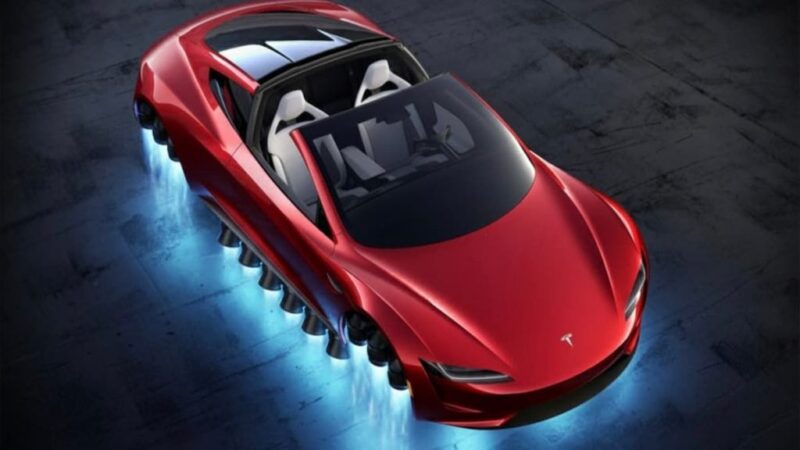
The idea of a flying Tesla isn’t entirely new. When the second-generation Roadster was first revealed in 2017, Musk mentioned a potential “SpaceX package.” This special upgrade, named after Musk’s rocket company, would reportedly include small cold-air thrusters similar to miniature rocket engines to dramatically boost acceleration and improve downforce. At the time, Musk also suggested that the thrusters could allow the car to “hover.”
Now, years later, it seems he’s revisiting that wild idea. But the big question remains: what does “flying” really mean in this context?
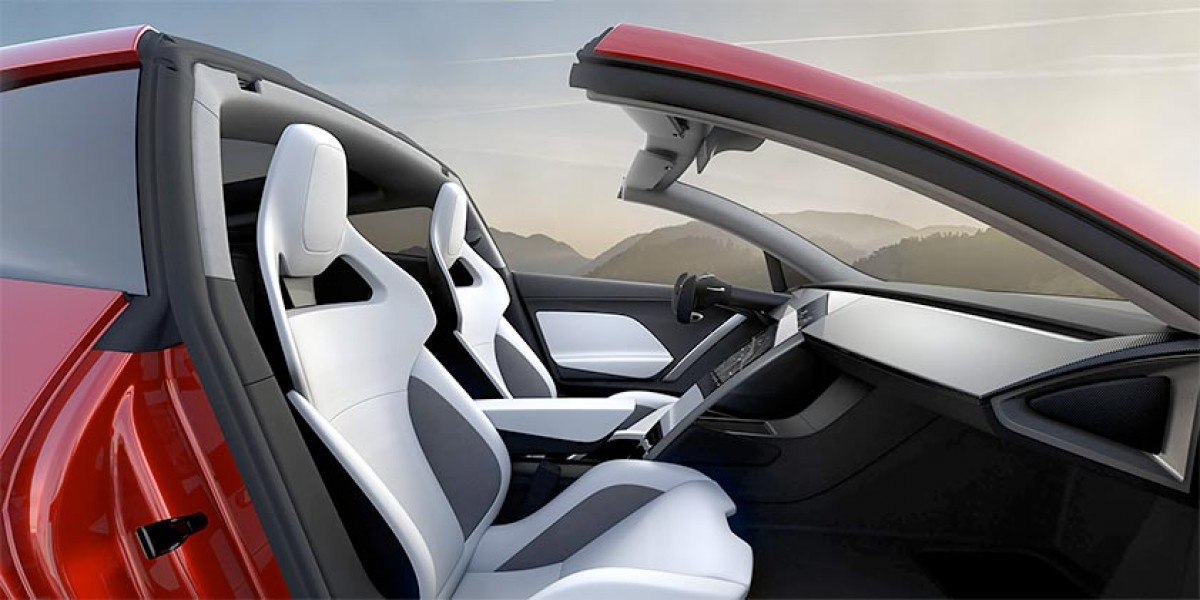
Most people, when they hear “flying car,” picture a vehicle that can drive on roads and then take off like an airplane, soaring through the air for miles. However, such technology is still limited to experimental electric vertical take-off and landing (eVTOL) aircraft not road-legal cars. Making a vehicle that both drives safely on the road and actually flies in the sky is a massive engineering challenge, especially for an all-electric supercar.
What’s more plausible is that Musk’s definition of “flying” might refer to a form of hovering rather than true flight. A Tesla patent filed a few years ago supports this idea. The company described a “fan-car-like system” designed to manipulate airflow under the vehicle. Essentially, this system could use powerful fans to create suction beneath the car, pressing it tightly against the road for extreme cornering and stability similar to the concept used in high-performance race cars.
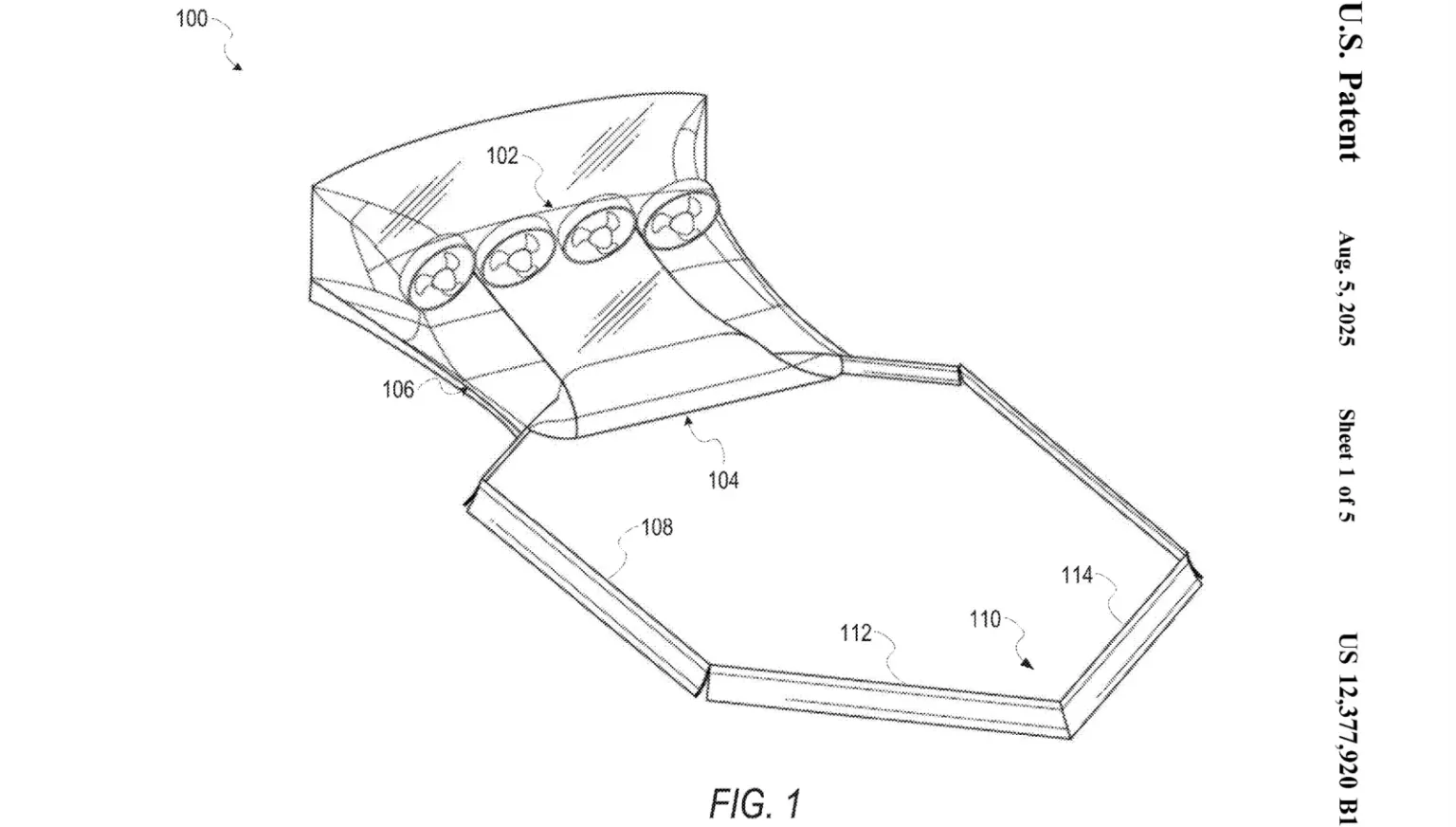
In theory, if those fans were reversed, they could generate lift, allowing the car to briefly hover or “jump” a few feet off the ground. While this wouldn’t qualify as flying in the traditional sense, it would still be an impressive technological feat and a show-stopping moment at a demonstration event.
So, while Musk’s talk of a “flying” Roadster sounds incredible, most experts remain skeptical. They argue that such a vehicle, if it exists, would be more of a high-tech showpiece or a proof-of-concept rather than a practical production car. After all, safety regulations, energy limitations, and cost considerations would make mass-producing a “hovering” supercar nearly impossible.
Still, the potential for a new Roadster unveiling is enough to excite Tesla fans and skeptics alike. For nearly eight years, the world has been waiting to see whether Musk can deliver on one of his most ambitious promises. He now claims that the Roadster’s long-awaited demo will happen before the end of this year a bold statement considering Tesla’s history of delays.
Will this upcoming demonstration finally prove that the Tesla Roadster is more than just a myth? Could it mark a revolutionary leap for electric performance cars, or will it turn out to be another flashy but impractical stunt?
What are your thoughts? Do you think Tesla will finally deliver the long-promised Roadster and make it fly or is this just another of Elon Musk’s big dreams that will stay grounded? Let us know in the comments below!